



Understanding the Role and Skills Required for a Fashion Illustrator in Nigeria
The Role of a Fashion Illustrator
A fashion illustrator visually communicates clothing and accessory designs through drawings.
They create detailed sketches that guide fashion designers and manufacturers.
Moreover, illustrators help brands present their collections to clients and the media.
In Nigeria, fashion illustrators play a vital role in the vibrant fashion industry.
They work closely with designers, photographers, and marketers to bring ideas to life.
Additionally, their work influences how fashion trends are perceived and adopted locally.
Essential Artistic Skills
Strong drawing skills form the foundation for every successful fashion illustrator.
Illustrators must excel at rendering fabric textures, patterns, and colors vividly.
Furthermore, they need an eye for proportions and human anatomy to create realistic figures.
Creativity and attention to detail help illustrators develop unique and appealing designs.
Familiarity with traditional media like pencils and watercolors enhances their artistry.
Alongside, proficiency in digital illustration tools such as Adobe Illustrator or CorelDRAW is crucial.
Technical and Professional Abilities
Fashion illustrators must understand garment construction and textile behavior thoroughly.
This knowledge enables them to depict how clothes fit and move on the body accurately.
They should also be skilled at interpreting designers’ ideas into visual representations quickly.
Time management skills are important to meet tight project deadlines effectively.
Networking abilities help illustrators connect with designers, agencies, and fashion houses.
Communicating clearly with clients ensures that designs meet their expectations precisely.
Adapting to Nigeria’s Fashion Industry
Nigeria’s diverse culture influences fashion styles, requiring illustrators to be culturally aware.
Illustrators must keep up with both local and global fashion trends actively.
The ability to blend traditional Nigerian elements with modern fashion enhances their relevance.
They often collaborate with brands such as Orange Culture and Mai Atafo, gaining experience.
Developing a unique style helps illustrators stand out in Nigeria’s competitive market.
Lastly, continuous learning through workshops and fashion events supports professional growth.
Educational Pathways and Relevant Courses to Pursue Fashion Illustration
Formal Education Options
Many aspiring fashion illustrators in Nigeria start with formal education.
Institutions like Yaba College of Technology offer courses in Fine Arts and Design.
These programs build foundational skills in drawing, color theory, and design principles.
Additionally, universities such as the University of Lagos provide degrees in Visual Arts.
These degree programs often include modules on illustration and fashion design.
Choosing a program with a specialization in fashion illustration offers more focused training.
Apart from local schools, consider international online courses to complement formal education.
Specialized Fashion Illustration Training
Enroll in short courses dedicated to fashion illustration for more practical skills.
The Lagos Fashion Academy offers workshops specifically about fashion sketching and rendering.
These workshops emphasize hand-drawing techniques and digital illustration tools.
Furthermore, private studios like Arike Atelier provide mentorship for budding illustrators.
They offer personalized coaching to improve artistic style and portfolio development.
Equally important, attend seminars and industry events to learn current trends in fashion illustration.
Relevant Skills and Software Courses
Developing digital skills is essential alongside traditional drawing techniques.
Learn to use software such as Adobe Illustrator and Photoshop for fashion illustrations.
Training centers like TechHubs Nigeria offer courses in graphic design and digital art.
These courses help illustrators create professional, versatile artwork for clients.
Additionally, explore online platforms like Skillshare and Udemy for fashion illustration tutorials.
Combining these resources builds a competitive skill set suited for the Nigerian market.
Continuous Learning and Skill Enhancement
Fashion illustration requires constant updating of skills due to evolving trends.
Join artist communities such as the Nigerian Fashion Illustration Collective for peer support.
Participating in collaborative projects boosts creativity and networking opportunities.
Regularly attend exhibitions and fashion shows to stay inspired and informed about styles.
Seek feedback from established illustrators like Amina Adewale to refine your work.
This ongoing learning approach helps sustain a successful career in fashion illustration.
Building a Portfolio: Showcasing Your Unique Style and Creativity
Defining Your Unique Style
Your portfolio should highlight your distinct fashion illustration style.
Take time to experiment with different techniques and color schemes.
Moreover, focus on what sets your work apart from other illustrators.
A unique style attracts clients who seek original and memorable designs.
For example, Amara Nwosu combines traditional West African patterns with modern silhouettes.
Curating Your Best Work
Select illustrations that best represent your skills and creativity.
Quality always matters more than quantity in a strong portfolio.
Therefore, remove any pieces that feel unfinished or inconsistent.
Include a variety of poses, fashion styles, and media to demonstrate versatility.
Consider adding work inspired by local designers like Ifeoma Eke or Zuri Dayo.
Organizing Your Portfolio Effectively
Structure your portfolio in a way that flows logically and engages viewers.
Start with your strongest piece to create a lasting impression.
Follow with diverse samples that showcase experimentation and growth.
Finally, end with a signature piece that reflects your core aesthetic.
Use clear labels and brief descriptions to explain your concepts and techniques.
Presenting Your Portfolio Digitally and Physically
Create a professional digital portfolio using platforms like Behance or Dribbble.
Ensure high-resolution images and mobile-friendly layouts for online viewing.
Additionally, prepare a printed version for in-person meetings and exhibitions.
You can use quality paper and neat binding to enhance presentation quality.
Leverage social media channels such as Instagram to share your portfolio widely.
Updating Your Portfolio Regularly
Keep your portfolio fresh by adding new projects frequently.
Updating demonstrates your evolving skills and responsiveness to trends.
Schedule regular reviews every few months to refine and improve content.
Solicit feedback from established illustrators and mentors like Ngozi Eze or Musa Lawal.
Incorporate constructive criticism to elevate your portfolio’s impact.
Gain More Insights: Why Interior Design is Thriving in Nigeria’s Real Estate Market
Leveraging Digital Tools and Software Commonly Used in Fashion Illustration
Introduction to Digital Tools in Fashion Illustration
Digital tools have transformed how fashion illustrators create and present their work.
They offer speed, precision, and flexibility that traditional methods sometimes lack.
Moreover, digital platforms enable easy sharing and collaboration across Nigeria and beyond.
Understanding and adopting these tools gives illustrators a competitive edge in today’s industry.
Popular Software for Fashion Illustration
Adobe Illustrator
Adobe Illustrator remains a top choice for many Nigerian fashion illustrators.
It allows creating vector-based designs that are scalable without losing quality.
Additionally, it supports creating detailed sketches, patterns, and color palettes efficiently.
Procreate
Procreate is popular for iPad users due to its intuitive touch interface.
Fashion illustrators appreciate its natural brush strokes and layering capabilities.
Furthermore, Procreate supports high-resolution files suitable for professional use.
CorelDRAW
CorelDRAW provides a user-friendly platform with robust fashion design tools.
Many illustrators use it for sketching and producing detailed garment renderings.
Publish Your Professional Profile, Business or Brand
Showcase your expertise, gain trust, and boost visibility instantly on Professions.ng.
Publish NowIt also supports exporting files in various formats ideal for different clients.
Clip Studio Paint
Clip Studio Paint offers versatile drawing tools tailored for illustrators.
It excels in creating dynamic, expressive fashion sketches with ease.
Its animation features also allow designers to visualize movement in garments.
Essential Hardware for Digital Fashion Illustration
Choosing the right hardware complements the software tools illustrators use.
Graphics tablets, like those from Wacom, provide precision and control while drawing.
High-resolution displays help illustrators see details vividly and work comfortably.
Moreover, laptops such as the Dell XPS or MacBook Pro handle design software smoothly.
Benefits of Using Digital Tools for Nigerian Fashion Illustrators
- Digital tools speed up the workflow by offering efficient editing and revisions.
- They enable easy experimentation with colors, textures, and styles.
- Digital files are simple to store, share, and present to clients remotely.
- Illustrators can build compelling portfolios that attract local and global clients.
- Learning these tools often opens opportunities in fashion tech startups and agencies.
Strategies for Mastering Digital Fashion Illustration Software
Start by exploring tutorials offered by platforms like Udemy or Skillshare.
Practice replicating fashion looks from Nigerian designers such as Lisa Folawiyo.
Join online communities where illustrators share tips and provide feedback.
Regularly update your software to access new features and tools.
Consider attending workshops or webinars hosted by Lagos-based creative hubs.
Gain More Insights: How to Become a Visual Effects Artist in Nigeria’s Media Industry
Networking with Fashion Designers, Brands, and Industry Professionals in Nigeria
Building Meaningful Connections
Networking forms the foundation of a successful career as a fashion illustrator.
Start by attending local fashion shows and industry events in Lagos and Abuja.
These events offer valuable opportunities to meet designers like Temi Osho and brands such as Orange Culture.
Additionally, participate in workshops and seminars hosted by industry leaders like Zizi Cardow.
Consistently engaging in such gatherings expands your professional circle significantly.
Leveraging Social Media for Professional Growth
Social media platforms provide powerful tools for connecting with fashion creatives nationwide.
Create an Instagram portfolio showcasing your illustrations with relevant Nigerian fashion hashtags.
Follow and interact with influential accounts such as Lisa Folawiyo and Mai Atafo.
Regularly comment and share your thoughts to increase your visibility and credibility.
Moreover, join Facebook groups focused on Nigerian fashion illustration and design collaboration.
Collaborating with Fashion Brands and Designers
Reach out directly to emerging designers and established brands to propose illustration projects.
Offer your services for lookbooks, advertising campaigns, and social media content.
Many designers appreciate customized illustrations as part of their branding strategy.
For example, connecting with Omoyemi Akerele’s Style House may open collaboration doors.
Maintain professionalism by providing timely responses and delivering high-quality work.
Engaging with Industry Organizations and Communities
Join Nigerian fashion and creative industry associations like Fashion Designers Association of Nigeria.
Such memberships provide networking events and insider information on upcoming projects.
Participate actively in meetups arranged by art and design collectives such as Art X Lagos.
These platforms foster connections with stylists, photographers, and marketers who influence fashion trends.
Finally, volunteering at fashion-related events helps you gain hands-on experience and build trust.
Find Out More: The Importance of Animation Designers in Nigeria’s Tech Growth
Exploring Internship and Freelance Opportunities to Gain Practical Experience
Engaging in Relevant Internships
Internships allow aspiring fashion illustrators to gain valuable hands-on experience.
Many fashion houses in Lagos, like Omolola Adebayo Creations, offer internship programs.
Additionally, smaller studios such as Nkechi Okoro Designs regularly seek creative interns.
You should actively search for these positions on social media and company websites.
Furthermore, internships help build professional networks within the Nigerian fashion industry.
They provide direct exposure to design processes and client relations in real scenarios.
Therefore, completing internships can significantly boost your portfolio and credibility.
Finding Freelance Opportunities
Freelancing offers flexibility and the chance to work on diverse projects.
Platforms like FreelanceNG and Asuqu help connect illustrators with fashion brands.
Also, reach out to emerging designers such as Adaora Apparel for commissioned work.
Promoting your services on Instagram or Behance increases visibility to potential clients.
Moreover, freelancing sharpens your ability to meet client expectations and deadlines.
Building a reputation through quality freelance projects leads to consistent referrals.
Balancing Internships and Freelance Work for Professional Growth
Balancing internships with freelance projects enriches your practical knowledge.
Internships provide structured learning, while freelancing challenges your creativity independently.
Simultaneously managing both opens opportunities to develop a diverse portfolio.
You will also learn different aspects of the fashion industry from multiple perspectives.
Consequently, you will become a versatile fashion illustrator ready for professional success.
Find Out More: How to Launch a Career as a Muralist in Nigeria
Marketing Yourself: Creating an Online Presence and Using Social Media Effectively
Building a Professional Online Portfolio
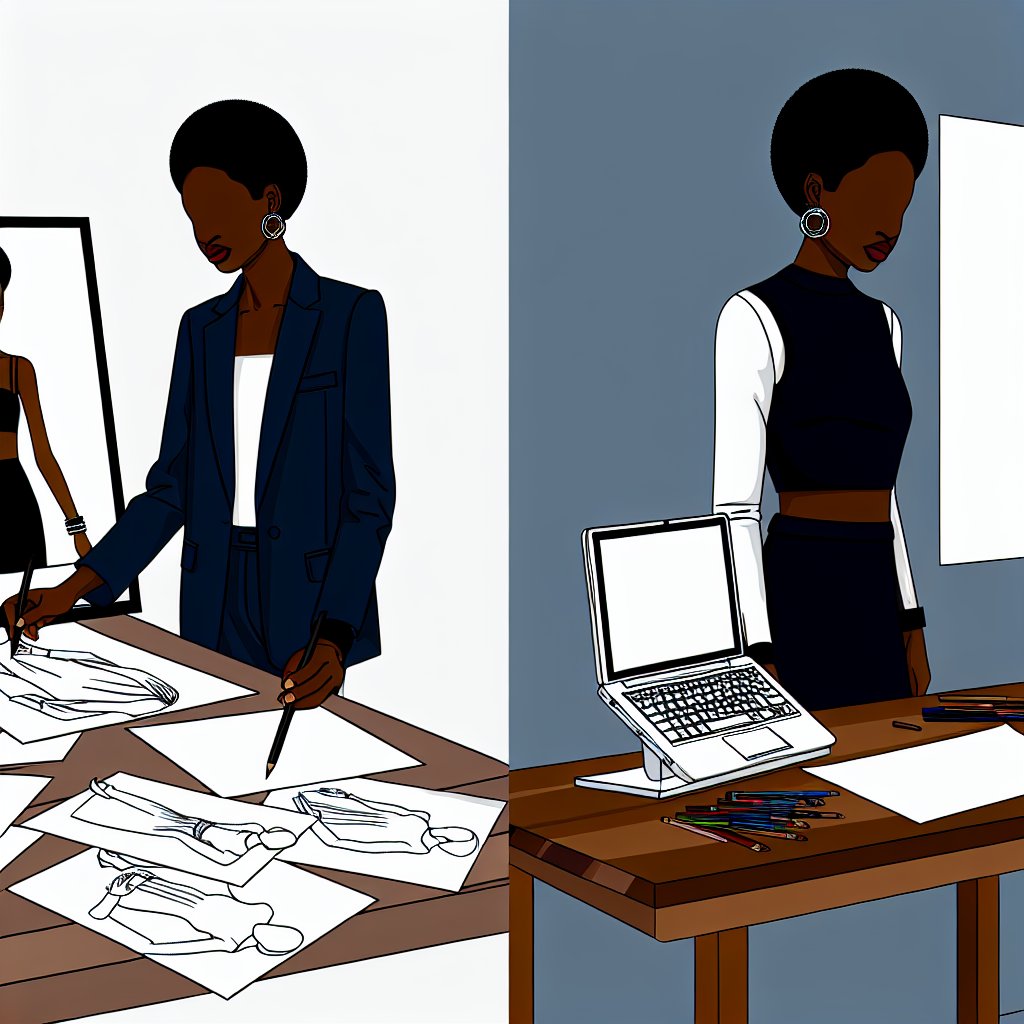
Start by creating a clean and organized online portfolio showcasing your best fashion illustrations.
Choose platforms like Behance, Dribbble, or your personal website for maximum exposure.
Make sure your portfolio includes different styles and techniques to highlight your versatility.
Regularly update your portfolio with new projects to keep your content fresh and engaging.
Use high-resolution images and write clear descriptions for each illustration.
Establishing Your Brand Identity
Define a consistent visual theme and tone that reflects your unique artistic style.
Design a memorable logo and select a color palette that resonates with your target audience.
Maintain this style across all your online platforms to build brand recognition.
Consider crafting a compelling bio that tells your story and artistic journey.
Include contact information to invite potential clients and collaborators to reach you.
Using Social Media to Expand Your Reach
Select social media platforms popular in Nigeria, such as Instagram, TikTok, and Twitter.
Post regularly while balancing quality and variety in your content.
Share behind-the-scenes sketches and time-lapse videos to engage your followers.
Use relevant hashtags like #NaijaFashionIllustrator, #LagosArtists, and #FashionSketches.
Tag established Nigerian designers and fashion brands to increase visibility.
Engaging with the Fashion and Art Community
Follow and interact with industry leaders like Emeka Obi and Ngozi Eze on social media.
Join online art groups and forums where Nigerian artists share advice and opportunities.
Comment thoughtfully on posts to build genuine connections.
Participate in local and virtual art challenges or collaborations to showcase your skills.
Attend fashion events and workshops and share your experiences online.
Utilizing Content Marketing and Collaborations
Create blog posts or video tutorials about fashion illustration tips and trends.
Collaborate with Nigerian fashion influencers and models for creative projects.
Offer limited-time commissions or giveaways to attract new followers.
Use email newsletters to keep your audience updated about your latest works and events.
Leverage testimonials from satisfied clients to build credibility.
Navigating the Nigerian Fashion Industry and Identifying Potential Clients
Understanding the Nigerian Fashion Industry Landscape
The Nigerian fashion industry is vibrant and continuously evolving.
Emerging designers drive its growth nationwide.
Established brands also contribute to the industry’s expansion.
Major fashion hubs include Lagos, Abuja, and Port Harcourt.
Events like Lagos Fashion Week offer significant exposure.
The industry blends traditional styles with modern influences.
This dynamic environment offers many opportunities for fashion illustrators.
Building Connections Within the Industry
Networking plays a crucial role in establishing a successful career.
Publish Your Professional Profile, Business or Brand
Showcase your expertise, gain trust, and boost visibility instantly on Professions.ng.
Publish NowAttend fashion shows, exhibitions, and industry workshops regularly.
Engage with designers like Amarachi Eze and Chinedu Okoro for collaboration.
Join online communities and social media groups focused on Nigerian fashion.
Participate in conversations to showcase your skills and learn trends.
Additionally, connect with fashion photographers and stylists for varied projects.
Identifying Potential Clients
Understanding who needs fashion illustration services is vital for growth.
Target fashion designers creating seasonal collections and custom pieces.
Approach fashion magazines such as BellaNaija Style and Vogue Africa Nigeria for editorial work.
Reach out to advertising agencies handling fashion brand campaigns.
Collaborate with textile manufacturers requiring design concept visuals.
Furthermore, online boutiques and e-commerce platforms often seek illustrators.
Approaching Clients and Showcasing Your Work
Create a professional portfolio that highlights diverse illustration styles.
Use platforms like Instagram, Behance, and a personal website to display your work.
Send tailored proposals or pitches when reaching out to potential clients.
Follow up politely to express continued interest and availability.
Offer value by suggesting creative ideas aligned with clients’ brand identity.
Consistent professionalism increases your chances of securing projects successfully.
Understanding Pricing, Contracts, and Legal Considerations for Freelance Illustrators
Setting the Right Prices for Your Work
Pricing your fashion illustrations fairly ensures you attract clients and earn a sustainable income.
First, research the current market rates among Nigerian illustrators like Chinedu Okeke and Amaka Ijeoma.
Consider your experience, time spent, and project complexity when establishing prices.
Moreover, factor in your unique style and the value it adds to a client’s brand.
Transparency with clients about pricing builds trust and prevents misunderstandings.
Use tiered pricing to offer options, such as basic sketches versus fully rendered illustrations.
Additionally, align your rates with the budget limits of fashion houses such as Olumide Designs or VitaStyles.
Essential Components of Freelance Contracts
Contracts protect both you and your clients by clearly outlining project terms and expectations.
Include detailed descriptions of deliverables and deadlines in every agreement.
Specify payment terms, such as deposits, milestones, and final balances.
Also, clarify ownership rights to your artwork to avoid future disputes.
Use clear language to define cancellation policies and revision limits.
Consult legal expert Nkechi Nwosu when drafting contracts to ensure they comply with Nigerian laws.
Keep a signed copy of each contract to defend your interests if disagreements arise.
Working Within Nigeria’s Legal Framework
Understanding intellectual property laws helps you safeguard your original illustrations.
Register your artwork with the Nigerian Copyright Commission to assert your ownership.
Respect client confidentiality and data protection requirements during collaborations.
Moreover, be aware of tax obligations related to freelance income.
Register with the Federal Inland Revenue Service (FIRS) to comply and avoid penalties.
Network with fellow illustrators and professionals for legal advice and shared experiences.
Finally, stay updated on changes in Nigeria’s creative industry regulations that may affect your freelance career.
Continuous Learning and Staying Updated with Global and Local Fashion Trends
The Importance of Continuous Learning
Fashion illustration requires constant skill refinement.
It also demands creativity enhancement.
Therefore, pursuing continuous learning helps illustrators stay relevant.
It also keeps them competitive in the industry.
Engaging with workshops broadens artistic techniques.
Taking online courses and masterclasses also strengthens your skills.
Additionally, learning software tools like Adobe Illustrator boosts your workflow.
Using Procreate also enhances productivity.
Seasoned illustrators like Amina Yusuf emphasize evolving with industry demands.
Tracking Global Fashion Trends
Global fashion shapes the artistic direction of illustrations worldwide.
Subscribe to leading fashion magazines such as Vogue Italia.
Harper’s Bazaar also offers valuable insights.
Regularly visit international fashion week websites.
This helps you observe new collections and styles.
Social media platforms like Instagram offer real-time trend inspiration.
Pinterest also provides a rich source of ideas.
Influencers such as Kelechi Amadi-Obi curate fashion content merging global and African aesthetics.
Following Local Nigerian Fashion Developments
Nigerian fashion is vibrant and rapidly evolving.
It features unique cultural influences.
Attend local fashion events including Lagos Fashion Week.
Fashpa is another important event for firsthand exposure.
Engage with Nigerian designers like Lisa Folawiyo.
Orange Culture is also influential in shaping local styles.
Local trend blogs such as Made in Lagos keep you informed.
These blogs highlight emerging fashion narratives.
Moreover, collaborating with local stylists helps illustrators interpret market demands.
Building Networks for Knowledge Exchange
Joining fashion illustration communities fosters idea sharing.
These communities encourage constructive feedback.
Platforms such as Illustrators Nigeria offer networking opportunities.
Creative Lagos is another platform to connect with peers.
Networking leads to mentorship and partnerships.
It also opens doors for potential commission work.
Online forums on Facebook facilitate discourse about shifting trends.
LinkedIn groups provide venues to discuss new techniques.
These connections create a supportive environment for growth.
Utilizing Technology to Stay Ahead
Use digital tools to subscribe to newsletters from fashion houses.
These include both international and Nigerian brands.
Apps like Feedly aggregate news about global and local trends.
Watch tutorial videos from reputable artists like Jide Alakija.
This practice sharpens your illustration skills.
Virtual fashion shows enable illustrators to witness styles remotely.
This removes geographic constraints.
Embracing technology ensures timely access to fashion updates.
It also provides educational content efficiently.
Additional Resources
How to scale up aso-oke production in Nigeria – LinkedIn
Mrs.Victoria Folashade Thomas-Fahm is Nigeria’s first fashion …