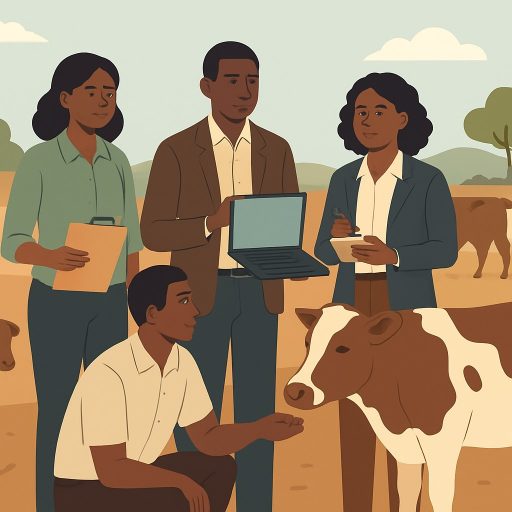




Understanding the Farm Manager’s Role
A farm manager oversees daily activities that support production and farm performance.
They coordinate people, resources, equipment, and production responsibilities.
Additionally, they connect farm operations with clear performance expectations.
Managing Production Activities
The farm manager organizes production activities according to the farm’s operational needs.
They monitor ongoing work and maintain focus on productive farm operations.
Therefore, they must understand how each activity contributes to overall performance.
They also identify operational priorities and guide workers toward assigned responsibilities.
Controlling Farm Resources
A farm manager manages the resources required for regular farm activities.
They allocate available resources according to production requirements and operational priorities.
Furthermore, they monitor resource use to support efficient farm management.
The manager must balance current needs with broader farm performance goals.
Leading Farm Workers
The farm manager directs workers and clarifies their responsibilities.
They organize work so employees understand their assigned duties.
Moreover, they monitor worker activities and maintain coordination across farm operations.
Clear direction helps workers contribute effectively to production activities.
The manager also addresses work requirements as farm activities change.
Managing Farm Equipment
The farm manager oversees equipment used during farm operations.
They coordinate equipment use with production activities and worker responsibilities.
Additionally, they monitor equipment availability during operational tasks.
Effective equipment management supports organized work and consistent farm performance.
Monitoring Farm Performance
The farm manager evaluates how well the farm performs across its responsibilities.
They review production activities, resource use, worker performance, and equipment coordination.
Consequently, they focus attention on areas that require better management.
They use operational observations to guide decisions and maintain accountability.
The manager connects daily activities with the farm’s performance objectives.
Coordinating Daily Operations
The farm manager brings production, workers, resources, and equipment together.
They establish coordination between these areas to support smooth farm operations.
When responsibilities overlap, the manager provides direction and maintains operational focus.
Furthermore, they adjust attention as production needs and farm priorities develop.
Build Strong Agricultural Qualifications
Begin with agricultural education that develops a strong foundation for farm management.
Choose learning opportunities that explain agricultural principles, production systems, and farm operations.
Furthermore, connect classroom knowledge with practical situations whenever possible.
Education also strengthens your ability to understand agricultural information and make informed decisions.
Gain Practical Farm Experience
Practical experience helps you apply agricultural knowledge in real farm settings.
Seek opportunities to participate in daily farm activities and observe established work practices.
Meanwhile, work closely with experienced agricultural professionals to understand farm operations.
Ask questions, accept feedback, and reflect on each practical learning experience.
Gradually, build confidence by handling tasks that match your training and experience.
Develop Essential Technical Skills
Technical training strengthens your ability to perform agricultural tasks correctly and consistently.
Focus on training that improves your understanding of farm production processes.
Also, learn how to use relevant agricultural methods, equipment, and operational procedures.
Practical instruction can help you identify problems and respond appropriately.
Therefore, combine technical lessons with supervised practice whenever possible.
Strengthen Management-Related Abilities
A farm manager needs more than agricultural knowledge to perform effectively.
Develop communication skills that support clear discussions with workers and agricultural professionals.
Additionally, improve your organisation skills to arrange tasks and manage competing priorities.
Build analytical skills that help you review information and evaluate available options.
Practise problem-solving in different agricultural situations.
These abilities complement your technical knowledge and support professional growth.
Use Continuous Professional Development
Agricultural knowledge continues to develop, so keep learning after completing formal education.
Attend relevant workshops, seminars, training sessions, or short courses when available.
Review new learning materials that expand your understanding of agricultural practices.
Moreover, seek feedback from knowledgeable professionals and use it to guide further development.
Maintain a personal record of completed training and newly developed skills.
Regularly assess your abilities and identify areas that require additional attention.
Combine Learning With Professional Discipline
Approach every learning opportunity with curiosity, responsibility, and consistency.
Apply new knowledge carefully, then evaluate what you learned from the experience.
Keep improving through education, practical work, technical training, and professional development.
This balanced approach helps you prepare for the demands of farm management in Nigeria.
Developing Effective Farm Plans
A clear farm plan connects production goals with daily operational decisions.
Regular reviews help the farm adjust its plan when conditions change.
The plan also gives the farm team a shared basis for action.
Setting Production Goals
Begin by defining what the farm intends to produce during the planning period.
State each goal clearly and keep it practical for available resources.
Separate broad aims from specific production targets.
Identify desired outputs, required activities, and expected completion points.
Also, ensure every goal supports the farm’s overall direction.
Prioritize goals when resources cannot support all activities simultaneously.
Finally, record the goals so the farm team can follow one plan.
Organizing Seasonal Activities
Map activities according to the seasons affecting the farm’s production cycle.
Next, arrange tasks in the order they require attention.
Group related activities to improve coordination across the operation.
Assign responsibility for each task before activities begin.
However, keep the schedule flexible enough to accommodate changing conditions.
Review the activity schedule regularly and update unfinished tasks.
Meanwhile, communicate schedule changes promptly to everyone involved.
Planning Resource Requirements
List the resources each planned activity requires before implementation begins.
Include inputs, labor, equipment, time, and operating funds.
Then, compare resource requirements with what the farm can access.
Identify shortages early so they do not disrupt planned activities.
Schedule input availability according to each activity’s timing.
Also, prevent unnecessary purchases by matching quantities with actual requirements.
Keep records of requested, received, used, and remaining inputs.
These records support better decisions during future planning cycles.
Managing Inputs Carefully
Use an input schedule that connects each resource to a specific farm activity.
Check received inputs against the approved plan before using them.
Store inputs appropriately according to their handling requirements.
Publish Your Professional Profile, Business or Brand
Showcase your expertise, gain trust, and boost visibility instantly on Professions.ng.
Publish NowMonitor usage throughout the production period.
Furthermore, investigate unexpected differences between planned and actual usage.
Control access to stored inputs to improve accountability.
Update inventory records whenever inputs enter or leave storage.
Finally, review remaining supplies before preparing the next plan.
Preparing for Operational Challenges
Identify conditions that could interrupt planned farm activities.
Consider disruptions involving inputs, labor, equipment, timing, or production processes.
Then, decide how the farm should respond to each challenge.
Prepare alternative actions when the original plan becomes unsuitable.
Set clear decision points for changing activities or reallocating resources.
Maintain communication channels for reporting problems quickly.
Record each disruption and the response used during operations.
This record can strengthen future planning and improve preparedness.
Reviewing and Improving the Plan
Compare planned activities with completed activities throughout the production period.
Review progress against each production goal.
Identify delays, resource gaps, and changes that affected implementation.
Next, adjust remaining activities according to current conditions.
Invite relevant team members to provide practical feedback.
Use documented observations when preparing the next farm plan.
Most importantly, treat planning as an ongoing management process.
Learn More: How to Start a Career in Agro-processing in Nigeria
Managing Farm Finances Effectively
Sound financial management helps a farm manager control resources and support informed decisions.
Therefore, treat every financial activity as part of daily farm management.
These practices connect financial information with operational choices.
Building a Practical Farm Budget
Begin by listing planned farm activities and their expected financial requirements.
Separate expected income from expected expenses within the budget.
Group expenses according to production activities, labour, materials, equipment, and administration.
Also, identify which costs remain fixed and which costs change with activity levels.
Assign available funds to essential activities before considering less urgent spending.
Review the budget whenever farm activities or financial conditions change.
However, keep the budget realistic and connected to the farm’s actual plans.
Controlling Farm Costs
Cost control requires the farm manager to monitor spending before it occurs.
Compare planned costs with actual costs regularly.
Investigate significant differences before they affect other farm activities.
Furthermore, approve spending according to established farm priorities.
Prevent unnecessary purchases by checking existing supplies and equipment first.
Use clear purchasing records to support accountability and responsible spending.
Review recurring expenses and determine whether each expense supports farm objectives.
Nevertheless, avoid reducing essential spending without considering possible operational effects.
Maintaining Accurate Financial Records
Keep records for income, expenses, purchases, sales, labour payments, and other financial transactions.
Record each transaction promptly to reduce omissions and memory errors.
Use consistent descriptions for similar transactions throughout the records.
Separate personal financial activities from farm financial activities.
Organize records so you can trace each expense to its related activity.
Additionally, retain supporting details for every recorded transaction.
Review records regularly to identify spending patterns and unresolved discrepancies.
Accurate records create a stronger basis for budgeting and profitability analysis.
Planning Farm Cash Flow
Cash-flow planning shows when money may enter or leave the farm.
Prepare a cash-flow schedule that matches expected income with expected payment dates.
Identify periods when expenses may occur before related income arrives.
Then, prioritize payments according to urgency and operational importance.
Maintain awareness of available cash before committing to new expenses.
Update cash-flow plans when sales, purchases, or farm activities change.
Therefore, use cash-flow information to guide timing decisions.
A profitable activity can still create pressure when its costs arise before its income.
Evaluating Farm Activity Profitability
Assess each farm activity by comparing its income with its related costs.
Include all identifiable costs when evaluating an activity’s financial performance.
Separate the activity’s income and expenses from other farm activities.
Calculate the remaining amount after deducting related costs from related income.
Compare results across activities using consistent financial records.
Also, examine resource use before deciding which activities deserve greater attention.
Review profitability regularly because financial results can change over time.
Use these comparisons to support decisions about continuation, adjustment, or reallocation.
However, consider cash requirements alongside profitability when evaluating each activity.
Using Financial Information for Decisions
Turn financial records into clear questions about farm performance.
Ask which activities consume the most resources and which generate the strongest returns.
Examine whether spending supports current priorities and planned production goals.
Then, adjust budgets, cost controls, and cash-flow plans accordingly.
Share relevant financial information with responsible farm decision-makers.
Finally, review financial performance consistently and act on the findings.
See Related Content: How Livestock Specialists Are Transforming Nigeria’s Farming Sector
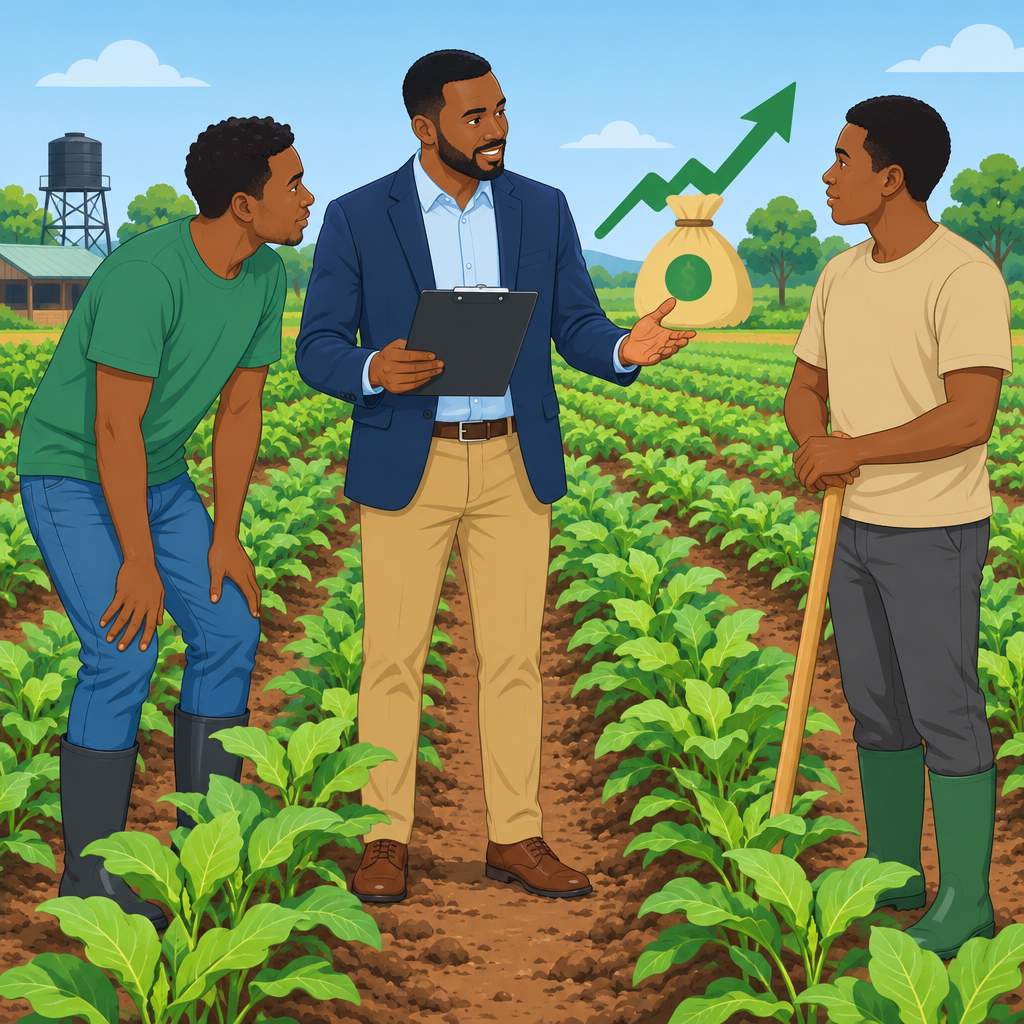
Using Agricultural Technology and Accurate Farm Data
Appropriate technology helps farm managers improve productivity and monitor daily operations.
Accurate farm data supports better decisions and helps managers reduce avoidable waste.
Together, technology and reliable information strengthen everyday farm management.
Selecting Suitable Agricultural Technology
Farm managers should select technology that matches their operational needs.
They should consider production activities, available resources, and management requirements.
Furthermore, selected technology should remain practical for regular farm use.
Managers should understand how each tool supports production, monitoring, or resource management.
They should avoid adopting technology without identifying its intended purpose.
Collecting Reliable Farm Data
Farm managers need accurate information to understand current farm conditions.
They should record relevant operational information consistently.
Consistent records make it easier to compare activities and identify changes.
Managers should check entries carefully before using them for decisions.
They should correct errors promptly to protect farm record reliability.
Additionally, managers should organize data so workers can access necessary information efficiently.
Monitoring Farm Operations
Technology can help managers track farm activities more closely.
Managers can use available data to review progress against planned activities.
Publish Your Professional Profile, Business or Brand
Showcase your expertise, gain trust, and boost visibility instantly on Professions.ng.
Publish NowThey can also identify delays, inconsistencies, or operational gaps earlier.
Regular monitoring helps managers respond when activities require attention.
Therefore, managers should review operational information at suitable intervals.
Improving Productivity Through Information
Accurate data helps managers understand how farm activities perform.
Managers can use this understanding to improve work processes.
They can compare recorded results across activities and identify areas needing improvement.
Technology can support clearer coordination between farm activities and available resources.
Consequently, managers can make adjustments using recorded information instead of assumptions.
Reducing Waste and Improving Resource Use
Farm data helps managers identify unnecessary use of inputs and resources.
Managers can review records to detect repeated losses or inefficient practices.
They can then adjust activities to reduce waste where appropriate.
Technology can also improve visibility over resource movement and usage.
However, managers should keep records accurate enough to support reliable waste analysis.
Supporting Better Decision-Making
Farm managers should use technology and data together when evaluating operational choices.
Data provides information, while management judgment guides appropriate action.
Managers should consider current records before changing farm activities.
They should also review whether each decision supports productivity and reduces waste.
Furthermore, managers should update decisions when new information becomes available.
Maintaining Effective Technology Practices
Managers should ensure workers understand the technology used for farm operations.
They should encourage consistent data entry and careful handling of information.
Regular reviews can reveal whether technology continues supporting farm management needs.
Managers should improve usage practices when records remain incomplete or unclear.
Ultimately, consistent technology use and accurate data strengthen everyday farm management.
Gain More Insights: What It Takes to Work as an Agricultural Policy Advisor in Nigeria
Leading Farm Workers Effectively
Strong leadership helps farm workers understand their responsibilities and complete tasks confidently.
Clear direction also helps workers approach daily duties with greater consistency.
Effective leaders combine communication, supervision, training, and accountability.
Communicating Clear Instructions
Begin each work period by explaining priorities, responsibilities, and expected standards.
Use direct language that workers can understand easily.
Additionally, confirm understanding before workers begin important tasks.
Encourage workers to ask questions whenever instructions remain unclear.
Provide updates when priorities or working conditions change.
Finally, listen carefully to workers’ observations about daily farm activities.
Delegating Tasks Carefully
Assign tasks according to each worker’s abilities, experience, and responsibilities.
Explain the required result before transferring responsibility for any task.
Give workers enough authority to complete their assigned duties.
However, remain available when workers need guidance or clarification.
Balance workloads fairly to support cooperation among farm workers.
Review delegated responsibilities regularly and adjust them when necessary.
Supervising Daily Work
Supervise activities consistently without creating unnecessary pressure.
Observe work progress and compare completed tasks with agreed expectations.
Address mistakes promptly while focusing on improvement.
Recognize proper performance and explain how workers can improve weak areas.
Therefore, supervision should guide performance rather than replace worker responsibility.
Training Workers on Farm Tasks
Demonstrate unfamiliar tasks before expecting workers to perform them independently.
Break complex activities into clear steps.
Allow workers to practise while you observe their technique.
Correct unsafe or ineffective methods immediately.
Repeat important instructions when workers require additional support.
Encourage experienced workers to share useful knowledge with other team members.
Ongoing training strengthens consistency across daily farm operations.
Motivating the Farm Team
Show respect for workers’ contributions and treat everyone fairly.
Communicate appreciation when workers complete responsibilities properly.
Set realistic expectations that workers can understand and pursue.
Invite workers to share ideas about improving their tasks.
Respond to concerns respectfully and address problems without unnecessary delay.
Moreover, consistent leadership can strengthen trust within the farm team.
Managing Feedback and Disagreements
Discuss performance concerns privately and focus on specific actions.
Allow each person to explain their perspective before making decisions.
Separate personal disagreements from workplace responsibilities.
Seek practical solutions that support cooperation and continued productivity.
Record important agreements when workers need clear follow-up responsibilities.
Then, monitor progress to ensure agreed changes become part of daily work.
Protecting Workplace Safety
Make safety expectations clear before workers begin their duties.
Explain potential workplace hazards associated with assigned activities.
Require workers to follow safe procedures consistently.
Provide instruction before workers handle unfamiliar tasks or equipment.
Keep work areas orderly to reduce avoidable risks.
Encourage workers to report hazards, injuries, and unsafe conditions promptly.
Stop unsafe work and correct the problem before activities continue.
Review safety practices regularly with the entire farm team.
Building Accountability
Define who handles each responsibility and when workers must complete it.
Monitor agreed duties without relying solely on verbal assurances.
Address missed responsibilities consistently and respectfully.
Also, acknowledge workers who demonstrate reliability and careful performance.
Clear accountability helps the team understand expectations and respond to them.
Explore Further: How to Build a Career as an Agricultural Extension Officer in Nigeria
Practising Sustainable and Risk-Conscious Farm Management
A responsible farm manager protects natural resources while preparing the farm for uncertainty.
Therefore, daily decisions should balance productivity, environmental care, compliance, and long-term resilience.
This balance helps the farm respond responsibly when conditions change.
Protecting Soil Resources
Healthy soil supports consistent farm production and deserves careful management.
First, assess soil conditions before choosing cultivation practices or applying inputs.
Then, reduce practices that unnecessarily disturb soil structure.
Protect exposed soil from erosion through suitable ground-cover measures.
Also, manage farm activities to prevent compaction and maintain soil quality.
Use inputs carefully to avoid damaging soil health or wasting resources.
Meanwhile, monitor visible changes in soil condition throughout the production cycle.
Publish Your Professional Profile, Business or Brand
Showcase your expertise, gain trust, and boost visibility instantly on Professions.ng.
Publish NowWhen concerns appear, adjust practices promptly and document the decision.
Managing Water Responsibly
Water management requires careful planning, consistent observation, and responsible use.
Protect available water resources from contamination during farm activities.
Prevent unnecessary water loss by matching use with actual production needs.
Additionally, inspect water access points and surrounding areas regularly.
Furthermore, coordinate water use across farm activities to reduce avoidable pressure.
Respond quickly when water quality, availability, or distribution changes.
Clear procedures help workers use water responsibly and report emerging concerns.
Preparing for Climate Uncertainty
Climate uncertainty can affect production conditions, resource use, and operational decisions.
Consequently, monitor changing conditions and review farm activities regularly.
Prepare alternative actions for situations that could disrupt planned operations.
Adjust production decisions when conditions differ from initial expectations.
Before uncertainty grows, protect critical resources from avoidable operational pressure.
Communicate changes clearly so workers understand revised priorities and responsibilities.
After each disruption, review the response and identify practical improvements.
Responding to Market Uncertainty
Market uncertainty can influence production choices, purchasing decisions, and expected returns.
Therefore, avoid relying on one fixed assumption when planning farm activities.
Review changing market conditions before committing resources to major decisions.
Before expanding an activity, compare expected needs with available resources.
Adjust production priorities when market conditions change significantly.
Maintain flexibility by reviewing timing, quantities, and resource commitments.
Use clear decision criteria to separate urgent responses from unnecessary reactions.
Applying Risk Controls
Risk-conscious management begins by identifying threats that could affect farm operations.
Consider environmental, operational, financial, workforce, and market-related risks.
Next, rank identified risks according to their possible effect on farm activities.
Then, assign preventive actions and response responsibilities for significant risks.
Review controls regularly because farm conditions and uncertainties can change.
Encourage workers to report hazards, resource problems, and operational weaknesses promptly.
Strong reporting supports earlier action and reduces avoidable disruptions.
Meeting Agricultural Requirements
Farm managers must identify and follow agricultural requirements relevant to their operations.
First, determine which requirements apply to the farm’s activities and responsibilities.
Keep procedures aligned with those requirements as operations develop.
Ensure workers understand the rules affecting their assigned tasks.
Also, maintain accessible evidence that demonstrates responsible operational practice.
Review compliance procedures whenever activities, risks, or requirements change.
Address identified gaps quickly instead of allowing them to continue.
Responsible compliance protects the farm and supports accountable management.
Building Continuous Improvement
Sustainable management improves when the farm learns from routine observations and unexpected challenges.
Regularly review resource use, environmental conditions, risks, and compliance performance.
Then, select practical improvements that fit current farm circumstances.
Test changes carefully before applying them across wider operations.
Finally, retain successful practices and revise ineffective ones.
This approach helps the farm remain responsible, adaptable, and prepared for uncertainty.
Advancing Your Farm Management Career
Career growth requires more than managing daily farm activities successfully.
Therefore, build professional relationships, broaden your experience, and show the value of your work.
These efforts support continued professional advancement.
Building Professional Relationships
Strong professional relationships can create opportunities for learning, collaboration, and career advancement.
Begin by communicating respectfully with colleagues, supervisors, workers, and other agricultural professionals.
Share relevant knowledge while remaining open to different perspectives.
Also, maintain dependable communication after completing specific tasks or assignments.
Professional trust grows when you keep commitments and respond responsibly.
Furthermore, seek relationships that expose you to new responsibilities and leadership expectations.
Approach every interaction as an opportunity to demonstrate reliability and professional maturity.
Gaining Experience Across Farm Operations
Broader experience helps you understand how different farm activities support overall performance.
Therefore, volunteer for responsibilities beyond your usual assignment when appropriate.
Observe how different teams coordinate their work and address operational needs.
Ask questions that improve your understanding of unfamiliar farm activities.
Additionally, reflect on each assignment and identify skills you still need to strengthen.
Experience across operations can prepare you for wider responsibilities.
It also helps you communicate more effectively with teams performing different duties.
Keep a personal record of responsibilities, challenges, decisions, and lessons from each assignment.
This record can help you explain your professional growth clearly.
Demonstrating Measurable Results
Employers and farm owners need clear evidence of your contribution.
Therefore, connect your work with observable improvements in farm operations.
Track relevant results that reflect productivity, resource use, work completion, or operational efficiency.
Use accurate records to explain what changed after you introduced an improvement.
Compare performance before and after an activity when reliable information exists.
However, describe results honestly without exaggerating your contribution.
Explain your specific role, the action you took, and the outcome that followed.
Present results clearly during performance discussions and future leadership opportunities.
Consistent evidence can strengthen your professional reputation.
Preparing for Larger Leadership Opportunities
Leadership opportunities often require broader judgment and stronger accountability.
Begin preparing by accepting responsibilities that require coordination and independent decision-making.
Develop the ability to communicate priorities clearly across different levels of farm operations.
Also, learn from feedback and apply it to your future responsibilities.
Show that you can maintain standards while supporting effective teamwork.
When opportunities arise, explain how your experience matches the responsibilities involved.
Highlight your professional relationships, operational experience, and demonstrated results.
Furthermore, communicate the type of leadership responsibility you want to pursue.
Clear career direction helps others understand your readiness for advancement.
Continue building credibility through dependable performance and constructive professional conduct.
Maintaining Long-Term Career Progress
Career advancement requires consistent effort after receiving a larger opportunity.
Review your performance regularly and identify areas for further development.
Strengthen relationships that support learning, accountability, and professional growth.
Continue seeking varied responsibilities that expand your management perspective.
Finally, let your results and conduct demonstrate your readiness for continued advancement.
Additional Resources
Google search results for How to Succeed as a Farm Manager in Nigeria Agriculture
Publish Your Professional Profile, Business or Brand
Showcase your expertise, gain trust, and boost visibility instantly on Professions.ng.
Publish NowBing search results for How to Succeed as a Farm Manager in Nigeria Agriculture