



Understanding the Role and Responsibilities of an Agricultural Extension Officer in Nigeria
Introduction to the Role
An Agricultural Extension Officer acts as a bridge between research institutions and farmers.
They transfer new agricultural technologies to enhance farming practices.
These officers work closely with rural communities to improve agricultural productivity.
They also help farmers adopt sustainable and modern farming methods.
Core Responsibilities
An Agricultural Extension Officer educates farmers on crop production techniques.
They provide advice on pest control, soil management, and irrigation methods.
Additionally, officers support farmers in livestock rearing and fishery development.
They organize training sessions, workshops, and field demonstrations regularly.
Monitoring and evaluating agricultural projects is a key part of their work.
Furthermore, they collect data on farming conditions to inform policy and program improvements.
Collaboration and Communication
Extension officers collaborate with government agencies, NGOs, and research centers.
They communicate findings and needs between farmers and agricultural experts.
They also help farmers gain access to inputs such as seeds, fertilizers, and credit facilities.
Building strong relationships within farming communities is essential for success.
Contribution to Rural Development and Agricultural Growth
Extension officers play a significant role in increasing farmers’ income and food security.
They encourage youth participation in agriculture through awareness programs.
By promoting modern techniques, they contribute to sustainable rural livelihoods.
Ultimately, their work supports national goals for agricultural growth and poverty reduction.
Educational Qualifications and Relevant Courses Needed to Become an Agricultural Extension Officer
Academic Requirements
An agricultural extension officer must have a solid educational background in agriculture.
Most employers require a minimum of a National Diploma (ND) in Agriculture or related fields.
However, obtaining a Higher National Diploma (HND) or a Bachelor’s degree improves job prospects greatly.
Bachelor’s degree programs in Agricultural Extension, Agricultural Science, or Agronomy are highly suitable.
Additionally, candidates with degrees in Animal Science or Crop Science can also qualify.
Universities such as Obafemi Awolowo University and Ahmadu Bello University offer relevant programs.
Some candidates pursue postgraduate degrees to specialize further in agricultural extension.
Professional and Technical Courses
Candidates should enroll in courses that develop practical extension and communication skills.
Learning about farm management, rural sociology, and agricultural economics is essential.
Courses in community development enhance an officer’s ability to work effectively with farmers.
Training in information and communication technology (ICT) helps with modern farming techniques.
Institutions like the Nigerian Institute of Agricultural Research Technology provide valuable certification courses.
Workshops on climate-smart agriculture and sustainable farming methods are increasingly important.
Additionally, attending seminars on government agricultural policies benefits career growth.
Skills Development and Certifications
Practical experience gained through internships or attachments is strongly recommended.
Many agricultural extension officers enhance their profiles by gaining certifications in project management.
First aid and health safety courses are also useful due to fieldwork hazards.
Language skills, especially proficiency in local Nigerian languages, improve communication with farmers.
Certification from the Agricultural Extension Workers Association of Nigeria boosts professional credibility.
Regular refresher courses keep extension officers updated on innovations and best practices.
Career Pathways and Professional Engagement
Graduates often apply for positions at government agricultural departments or private agribusiness firms.
Non-governmental organizations working in rural development also employ extension officers.
Networking with professionals like Dr. Amina Bello or attending career fairs at universities aids job search.
Participation in national agricultural outreach programs provides hands-on learning opportunities.
Continuous education and certification upgrades increase chances of promotion and specialized roles.
Engagement with professional bodies helps in staying informed about job openings and industry trends.
Essential Skills and Competencies for a Successful Career in Agricultural Extension
Technical Knowledge and Expertise
Agricultural extension officers must have strong technical knowledge of crop and livestock management.
They apply modern farming techniques to help farmers improve productivity.
Furthermore, understanding soil science, pest control, and irrigation enhances their ability to provide practical advice.
Continuous learning is vital due to ever-evolving agricultural technologies.
For example, familiarity with agricultural machinery and sustainable practices sets successful officers apart.
Communication and Interpersonal Skills
Effective communication is crucial in explaining complex farming concepts simply.
Extension officers regularly interact with farmers, government officials, and researchers.
Listening actively helps officers understand farmers’ specific challenges and needs.
Additionally, persuasive skills motivate farmers to adopt recommended practices confidently.
Cultural sensitivity and empathy foster trust and long-lasting relationships within communities.
Problem-Solving and Critical Thinking
Extension officers often face unique challenges in diverse farming environments.
They use problem-solving skills to develop tailored solutions for these challenges.
Analyzing field data helps identify issues like pest outbreaks or soil degradation early.
Moreover, creative thinking assists in adapting technologies to local conditions effectively.
This competency enables officers like Nkiru Chukwu to support farmers efficiently under changing conditions.
Organizational and Planning Abilities
Successful agricultural extension requires excellent organizational skills to manage multiple projects.
Officers coordinate training sessions, farm visits, and data collection efficiently.
Time management ensures timely delivery of extension services across various communities.
Planning skills help prioritize tasks and allocate resources effectively.
Moreover, detailed record-keeping supports monitoring progress and evaluating impact.
Technology Use and Adaptability
Proficiency with technology improves the delivery of extension services significantly.
Many officers utilize mobile apps and digital platforms for data recording and farmer outreach.
Social media and radio programs expand information dissemination to wider audiences.
Additionally, adaptability allows officers to learn and use new tools quickly.
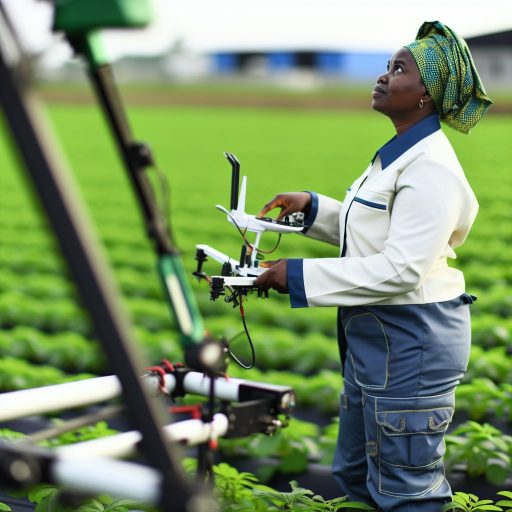
For instance, adoption of drone technology enhances crop monitoring and advice accuracy.
Teamwork and Collaboration
Agricultural extension often involves working with multidisciplinary teams.
Collaboration with agronomists, veterinarians, and local leaders strengthens program outcomes.
Sharing knowledge and coordinating efforts ensures comprehensive support for farmers.
Hence, cultivating teamwork abilities enables officers to function well in diverse groups.
Partnerships with organizations like Evergreen Agricultural Foundation increase resource access.
Uncover the Details: What You Need to Know About Aquaculture Careers in Nigeria
Registration and Certification Requirements for Agricultural Extension Officers in Nigeria
Educational Qualifications
To register as an agricultural extension officer, you must have a relevant degree.
Typically, a bachelor’s degree in Agricultural Extension, Agriculture, or related fields is required.
Institutions like the University of Ibadan and Ahmadu Bello University offer accredited programs.
Moreover, possessing practical experience improves your registration prospects.
Professional Registration Process
Nigeria requires agricultural extension officers to register with professional bodies.
The Agricultural Society of Nigeria (ASN) plays a significant role in certification.
Additionally, the Nigerian Institute of Agricultural Extension and Management (NIAEM) oversees registration.
You must submit your academic credentials and application forms to these organizations.
After verification, you will undergo an assessment or interview stage.
Successful candidates receive professional certification enabling them to practice officially.
Certification and Continuous Professional Development
Certification validates your skills and assures employers of your competence.
Newly certified officers often attend induction training organized by relevant agencies.
Publish Your Professional Profile, Business or Brand
Showcase your expertise, gain trust, and boost visibility instantly on Professions.ng.
Publish NowLater, you must participate in continuous professional development (CPD) programs.
CPD helps you stay updated on agricultural innovations and extension methodologies.
Organizations like the Nigerian Agricultural Extension and Research Liaison Services (NAERLS) conduct workshops and seminars.
Government Employment and Licensing
The Federal Ministry of Agriculture and Rural Development offers employment opportunities.
Registered extension officers can apply for positions within state agricultural development programs.
Some states require additional licensing before assuming extension officer roles.
Also, some private agricultural firms demand certification proofs during hiring.
Having the right registration improves your chances of success in both public and private sectors.
Important Documents for Registration
Gather all necessary documents before applying for registration.
- Certified copies of academic certificates and transcripts
- Completed registration application forms
- Valid means of identification, such as a national ID card or passport
- Passport-size photographs meeting professional standards
- Letters of recommendation or references from academic supervisors or employers
Submitting all required documents promptly ensures smooth processing.
Keep photocopies of everything you submit for your records and future use.
Find Out More: Exploring Agribusiness Opportunities in Nigeria
How to Gain Practical Experience Through Internships and Field Attachments
Importance of Practical Experience in Agricultural Extension
Hands-on experience builds the skills needed for an effective career in agricultural extension.
Internships and field attachments expose you to real-world farming challenges.
Moreover, practical work enhances your problem-solving and communication abilities.
Many employers prefer candidates with proven field experience over theoretical knowledge alone.
Therefore, pursuing practical opportunities early improves your job prospects significantly.
Finding Suitable Internship Opportunities
Start by researching agricultural agencies and organizations in Nigeria.
Contact institutions like the Federal Ministry of Agriculture and Rural Development for openings.
Universities such as Ahmadu Bello University often partner with farms for student placements.
Additionally, non-governmental organizations working in rural development offer valuable field attachments.
Reach out to companies like GreenHarvest Agro Services and FarmStrong Nigeria for potential internships.
Preparing for Your Internship or Field Attachment
Before starting, familiarize yourself with the host organization’s goals and programs.
Set clear learning objectives to maximize your internship experience.
Arrange necessary documents including a letter of introduction from your academic institution.
Be proactive in communicating with your assigned supervisor and colleagues.
Maintain a positive and professional attitude to make strong impressions during your attachment.
Maximizing Learning During Your Attachment
Engage actively in daily field activities and training sessions.
Observe how experienced extension officers interact with farmers and provide advice.
Ask relevant questions to deepen your understanding of agricultural practices.
Document your experiences and lessons learned in a dedicated journal or report.
Network with farmers, researchers, and extension agents to build valuable connections.
Leveraging Internship Experience for Career Advancement
Upon completion, request a detailed certificate or letter of recommendation.
Include your practical experiences prominently on your resume and job applications.
Share success stories and challenges you overcame during interviews.
Stay connected with mentors and contacts from your attachment for future opportunities.
Continuously seek further practical experiences to refine your skills and knowledge.
Learn More: The Future of Precision Farming Careers in Nigeria
Finding Job Opportunities in Government Agencies, NGOs, and Private Sector
Exploring Opportunities in Government Agencies
The Nigerian government offers numerous roles for agricultural extension officers.
You can find vacancies in ministries like the Federal Ministry of Agriculture and Rural Development.
State agricultural departments also provide career openings in various regions.
Furthermore, agencies such as the Agricultural Research Council occasionally recruit extension professionals.
To stay updated, regularly visit official government websites and job portals.
Networking with current government officers can provide valuable insights and job leads.
Seeking Positions within Non-Governmental Organizations (NGOs)
NGOs often focus on agricultural development and rural empowerment projects.
Organizations like FarmAid Nigeria and GreenHarvest Initiative hire extension officers frequently.
These roles involve community engagement and implementing sustainable farming practices.
Check NGO websites and platforms like Devex for open positions.
Volunteering or interning can help you build connections and increase your chances of employment.
Additionally, attending sector-specific workshops helps you meet NGO recruiters and professionals.
Pursuing Careers in the Private Sector
The private sector includes agro-based companies, input suppliers, and agritech startups.
Companies such as FreshGrow Agro and HarvestLink Nigeria seek skilled extension officers.
Roles in this sector often involve training farmers and promoting new agricultural products.
Job listings on platforms like Jobberman and NG Careers supply regular updates on vacancies.
Consider reaching out directly to companies for internship or trainee positions.
Moreover, building a strong LinkedIn profile can attract recruiters in the agricultural industry.
Strategies to Identify Suitable Jobs
Subscribe to newsletters from agricultural bodies to receive timely job alerts.
Participate actively in agricultural forums and industry events across Nigeria.
Join professional associations like the Association of Agricultural Extension Professionals.
These groups frequently share job vacancies and career advice.
Lastly, maintain a well-organized portfolio highlighting your skills and experiences.
Find Out More: How Agrochemists Contribute to Nigeria’s Agriculture

Career Progression and Specialization Options within Agricultural Extension Services
Career Advancement Opportunities
Agricultural extension officers can advance through several career stages.
Most start as field extension agents working directly with farmers.
They gain experience and may move into senior extension officer roles managing teams.
Some progress to supervisory or regional coordinator positions.
Leadership roles often involve policy implementation and program development.
Opportunities also exist to work with government ministries or NGOs.
Continuous professional development helps secure promotions and salary increases.
Specializations within Agricultural Extension Services
Extension officers can specialize in specific areas to enhance their expertise.
One specialization is crop production, focusing on improving farm yields.
Another is livestock management, dealing with animal husbandry practices.
Soil fertility and conservation is vital for sustainable farming.
Some officers specialize in agricultural technology adoption and innovation.
Others focus on women in agriculture, empowering female farmers with knowledge.
Some also specialize in fisheries or agroforestry extension services.
Skills Development for Specialized Roles
Specialized roles require targeted training in relevant agricultural fields.
Crop production specialists learn pest management and new seed varieties.
Livestock specialists acquire skills in animal nutrition and disease control.
Officers focusing on technology must understand precision farming and digital tools.
Experts in soil management study soil testing techniques and conservation methods.
Training programs by institutions like the Nigerian Agricultural Extension Service support upskilling.
Engagement with Agricultural Organizations
Building networks with agricultural organizations enhances career growth.
Extension officers can collaborate with research institutes such as the National Root Crops Research Institute.
They may also partner with NGOs like the Farm and Infrastructure Foundation Nigeria.
These connections provide access to funding, training, and innovative projects.
Active participation in workshops and conferences raises professional visibility.
Publish Your Professional Profile, Business or Brand
Showcase your expertise, gain trust, and boost visibility instantly on Professions.ng.
Publish NowMentoring junior officers helps solidify leadership credentials.
Career Paths Beyond Traditional Extension Roles
Experience as an extension officer opens doors to diverse career paths.
Some move into agricultural consultancy services for private sector clients.
Others transition into agricultural education or university research roles.
There is potential to join agri-business firms as technical advisors.
International development agencies like FAO or IFAD may offer specialized field roles.
Entrepreneurship in agritech start-ups attracts innovative officers.
Challenges Faced by Agricultural Extension Officers and How to Overcome Them
Limited Resources and Infrastructure
Agricultural extension officers often work with scarce resources and inadequate tools.
This scarcity limits their ability to reach farmers effectively in remote areas.
To overcome this, officers can partner with local organizations to share resources.
Additionally, leveraging mobile technology improves communication and training delivery.
Government and NGOs should increase investments in rural agricultural infrastructure.
Resistance to New Technologies and Practices
Farmers may resist adopting new agricultural methods due to tradition or mistrust.
Extension officers must build trust by demonstrating clear benefits of innovations.
They should organize practical demonstrations and pilot projects on farms.
Consistent follow-ups help reinforce new techniques and address farmer concerns.
Peer-to-peer learning among farmers also encourages acceptance of new ideas.
Communication Barriers
Diverse languages and low literacy levels pose communication challenges.
Extension officers must tailor messages to local languages and culture.
Using visual aids and local dialects enhances understanding significantly.
They can collaborate with community leaders to facilitate effective communication.
Training in communication skills improves officers’ ability to engage farmers clearly.
Heavy Workload and Staffing Shortages
Many extension officers manage large areas with few colleagues.
This workload may lead to limited time for thorough farmer interactions.
Prioritizing high-need communities can optimize limited staff efforts.
Recruiting and training more local extension workers reduces workload pressure.
Technology like mobile apps can help monitor and coordinate field activities efficiently.
Inadequate Training and Capacity Building
Some extension officers lack up-to-date training and technical skills.
Continuous professional development is essential for effective service delivery.
Workshops and online courses provide opportunities to learn new agricultural practices.
Mentorship programs with experienced officers can enhance practical knowledge.
Encouraging participation in agricultural seminars keeps officers informed about trends.
The Importance of Continuous Professional Development and Training
Enhancing Skills for Effective Service Delivery
Agricultural extension officers must continually update their skills to remain effective.
Training programs introduce new agricultural techniques and technologies.
Ongoing learning improves communication skills with farmers and stakeholders.
This knowledge enables officers like Ibrahim Musa to provide timely and relevant advice.
Continuous development fosters professional excellence and confidence.
Adapting to Changing Agricultural Trends
The agricultural sector evolves rapidly with climate and market changes.
Extension officers need training to address emerging challenges such as pest outbreaks.
They learn about sustainable practices that protect natural resources.
For example, AgriGrowth Nigeria offers workshops on climate-smart agriculture annually.
Such opportunities equip officers like Amina Usman to adapt strategies efficiently.
Opportunities for Career Advancement
Continuous professional development opens doors for promotion within the agricultural sector.
Training certifications can distinguish candidates during recruitment or appraisal.
Mrs. Chinedu Okechukwu advanced to a senior officer role through specialized training.
Networking during courses can connect officers with mentors and employers.
Ongoing education supports both professional growth and recognition.
Methods to Pursue Professional Development
Extension officers can engage in formal courses offered by universities and institutes.
They may attend seminars, workshops, and online webinars related to agriculture.
Many organizations, like GreenFields Academy, provide tailored training for Nigerian officers.
Field attachments and peer learning groups also enhance practical knowledge.
Mixing these methods ensures well-rounded skill acquisition and application.
Support from Employers and Government
Employers should encourage and sponsor training for their extension staff.
The Nigerian Ministry of Agriculture often partners with NGOs to provide learning programs.
Such collaborations help officers access modern tools and global best practices.
For instance, the National Agricultural Extension and Research Liaison Services facilitates workshops nationwide.
This institutional backing strengthens the entire extension delivery system effectively.
Leveraging Technology and Digital Tools in Agricultural Extension Work
Enhancing Communication Through Mobile Platforms
Mobile technology plays a crucial role in modern agricultural extension services.
Extension officers use smartphones to communicate quickly with farmers.
Messaging apps enable sharing of timely farming advice.
Apps like AgroConnect Nigeria provide access to crop management tips.
SMS alerts notify farmers about weather changes and pest outbreaks.
Utilizing Geographic Information Systems (GIS) and Remote Sensing
GIS technologies help extension officers analyze land suitability for different crops.
Satellite imagery provides data on soil moisture and vegetation health.
These tools guide precision farming on farms in Kaduna and Enugu.
Extension workers can recommend optimal planting schedules and resource use.
Improving Data Collection and Analysis With Digital Tools
Digital survey tools speed up data gathering during field visits.
Applications like FarmData Manager allow real-time input of agricultural data.
Extension officers can monitor farmer progress more effectively.
Data-driven insights help tailor training programs offered by institutions such as the National Agricultural Extension and Research Liaison Services.
Promoting Knowledge Sharing Through Online Platforms
Webinars and online forums facilitate interaction between extension workers and farmers.
Platforms like e-Tuku enable sharing of best farming practices across Nigeria.
Social media expands outreach efforts by extension agents like Grace Okoro from Ogun State.
These digital communities encourage peer learning and collaboration among farmers.
Accessing E-Learning and Training Resources
Extension officers benefit from online courses offered by agricultural universities.
Continuous professional development enhances their advisory skills and technical knowledge.
The University of Ibadan provides virtual workshops on sustainable agriculture.
Technology supports ongoing education and career growth for extension professionals.
Addressing Connectivity and Digital Literacy Challenges
Rural areas experience limited internet access, which affects technology adoption.
Extension officers must promote basic digital literacy among farmers.
Training programs by organizations like AgriTech Initiative Nigeria focus on this gap.
Improving digital skills lets farmers confidently use tools that enhance productivity.
Integrating Technology to Increase Agricultural Productivity
Combining various digital tools creates a comprehensive extension system.
This integration empowers officers to provide accurate and timely support.
Farmers experience better crop yields and reduced losses due to informed decisions.
Embracing technology transforms agricultural extension work in Nigeria.
Additional Resources
Perspectives on communicating 21st-Century agricultural …
Publish Your Professional Profile, Business or Brand
Showcase your expertise, gain trust, and boost visibility instantly on Professions.ng.
Publish Now