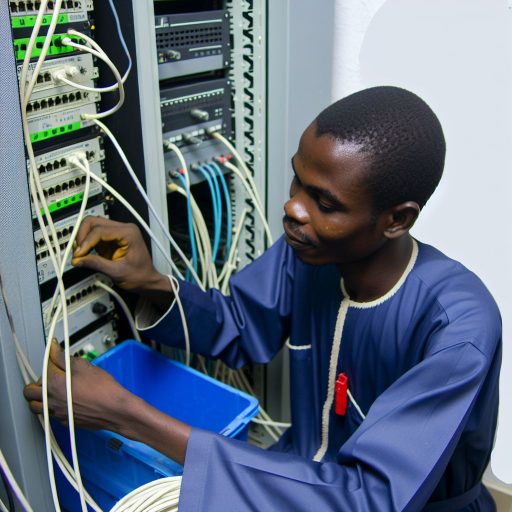




Overview of Network Administrators
Network administrators manage and support network operations within Nigeria’s telecommunications industry.
They help maintain organized communication between network components and connected users.
Additionally, they monitor network activities to identify operational issues.
They also apply administrative procedures that support consistent network performance.
Core Responsibilities
Network administrators configure network systems according to operational requirements.
They monitor network conditions and respond to detected problems.
Furthermore, they maintain network settings to support ongoing telecommunications services.
Administrators review network activity and address issues that affect connectivity.
They also manage access to network resources through established administrative controls.
Supporting Telecommunications Operations
Network administrators connect technical administration with daily telecommunications operations.
They help ensure that network systems function as intended.
Moreover, they support communication between network users and telecommunications services.
Their work helps organizations coordinate network activities across operational areas.
They also provide technical attention when network conditions change.
Network Monitoring and Maintenance
Network administrators monitor systems to understand current network conditions.
They identify irregular activity and investigate possible causes.
Consequently, administrators can address network concerns before those concerns expand.
They maintain network components by reviewing configurations and applying necessary adjustments.
Regular maintenance helps administrators keep network operations organized.
Managing Network Access
Network administrators manage user access to network resources.
They apply access requirements that support controlled network use.
Additionally, they review access arrangements when operational needs change.
This responsibility helps maintain order across telecommunications network environments.
Responding to Network Issues
Network administrators investigate problems that interrupt network operations.
They assess available information before selecting an appropriate response.
They then apply corrective actions within their administrative responsibilities.
Furthermore, they document relevant issues and maintain awareness of recurring concerns.
This process supports more consistent responses to future network problems.
Importance Within Nigeria’s Telecommunications Industry
Network administrators support the systems that enable telecommunications operations in Nigeria.
They help organizations manage network requirements in a structured way.
Moreover, they contribute to stable administration as network demands develop.
Their responsibilities connect network management with broader telecommunications service needs.
Therefore, network administrators remain important participants in Nigeria’s telecommunications industry.
Network Planning
Network administrators design infrastructure that supports telecommunications connectivity.
First, they assess network requirements before selecting suitable structures.
They also define how network components should connect and communicate.
Additionally, administrators plan infrastructure layouts that support organized management.
Infrastructure Configuration
Administrators configure network components according to the approved design.
Next, they establish settings that enable connected systems to operate together.
Furthermore, they align configurations with the network’s intended functions.
Careful configuration reduces inconsistencies across the telecommunications infrastructure.
Network Integration
Network administrators integrate separate components into a coordinated infrastructure.
During integration, they verify connections between the connected systems.
Moreover, they adjust configurations when components require alignment.
This approach helps maintain consistent communication across the network.
Routine Maintenance
Administrators maintain telecommunications infrastructure through regular network attention.
They inspect components and configurations to identify required adjustments.
Meanwhile, they resolve issues that affect network operation.
Consequently, ongoing maintenance supports stable infrastructure performance.
Network Monitoring and Adjustment
Network administrators monitor infrastructure conditions after deployment.
They review network behavior to identify changes requiring attention.
When conditions change, administrators adjust configurations accordingly.
Therefore, monitoring connects daily administration with continued infrastructure management.
Documentation and Change Control
Administrators document infrastructure designs, configurations, and maintenance activities.
This documentation records how network components connect and operate.
Whenever they modify the infrastructure, administrators update the records.
As a result, accurate documentation supports consistent network administration.
Continuity of Network Operations
Administrators maintain infrastructure to support continuous telecommunications operations.
They address network weaknesses before those weaknesses disrupt connected services.
They also coordinate design, configuration, and maintenance activities.
Ultimately, these activities keep the infrastructure organized and functional.

Monitoring Network Performance, Availability, and Service Reliability
Network administrators monitor telecommunications networks to support consistent performance and dependable service.
Within Nigeria’s telecommunications industry, this responsibility helps administrators identify changing network conditions.
Through regular observation, administrators maintain awareness of service behavior and operational changes.
Tracking Network Performance
Administrators observe network activity to understand how services perform under current conditions.
They review performance indicators that reveal delays, interruptions, or reduced service quality.
Additionally, they compare network conditions over time to recognize recurring performance concerns.
This monitoring allows administrators to investigate issues before those issues affect wider service delivery.
They also assess how network activity influences the user experience.
Maintaining Network Availability
Administrators monitor whether telecommunications services remain accessible when users need them.
They identify periods when network access becomes limited or unavailable.
Furthermore, they examine interruption causes through ongoing network observation.
Administrators then coordinate appropriate responses to restore access efficiently.
Regular availability monitoring gives administrators clearer awareness of network operating conditions.
Supporting Service Reliability
Service reliability depends on consistent network operation and timely attention to emerging problems.
Administrators track interruptions and performance changes that could weaken service dependability.
They prioritize issues according to their effects on network services and users.
Moreover, they document network events to support informed operational decisions.
Accurate records help administrators recognize patterns and strengthen future monitoring activities.
Responding to Network Changes
Network conditions can change, so administrators maintain continuous awareness of service behavior.
They assess new alerts, unusual activity, and reported service difficulties.
Afterward, they communicate relevant findings to support coordinated technical action.
This process helps teams address network concerns while protecting service continuity.
Administrators also review responses to determine whether performance and availability have improved.
Improving Operational Oversight
Monitoring provides administrators with information for evaluating network performance and service reliability.
They use these observations to identify areas requiring attention or further investigation.
Consequently, monitoring becomes an ongoing process rather than a single operational task.
Publish Your Professional Profile, Business or Brand
Showcase your expertise, gain trust, and boost visibility instantly on Professions.ng.
Publish NowThrough consistent oversight, administrators support dependable telecommunications services across changing network conditions.
Uncover the Details: Why Telecommunications Sales Roles Are Booming in Nigeria
Protecting Telecommunications Systems
Network administrators protect telecommunications systems through network security and controlled access.
They reduce unauthorized access by establishing clear security requirements for network resources.
Additionally, they protect system availability by addressing security weaknesses within telecommunications environments.
Managing Access Permissions
Network administrators determine who can access systems, resources, and administrative functions.
They assign permissions according to users’ responsibilities and required access levels.
Furthermore, they limit unnecessary privileges to reduce potential security exposure.
They also review permissions when responsibilities or access requirements change.
Supporting Secure Network Operations
Administrators apply network security practices across telecommunications systems.
They protect configurations, connections, and administrative activities from unauthorized interference.
Moreover, they maintain consistent security controls across relevant network environments.
These controls help administrators preserve the integrity of telecommunications operations.
Identifying Security Risks
Network administrators examine telecommunications systems for signs of unauthorized activity.
They assess security risks that could affect access, operations, or network resources.
Consequently, they can address weaknesses before those weaknesses disrupt protected systems.
They also document relevant security concerns for continued administrative attention.
Responding to Security Incidents
Administrators respond to security incidents affecting telecommunications systems.
They restrict compromised access and protect unaffected network resources.
Additionally, they investigate security issues and support appropriate corrective actions.
Afterward, they restore controlled access when relevant security concerns receive attention.
Maintaining Security Accountability
Network administrators maintain accountability for access decisions and security activities.
They record important changes to permissions, configurations, and security controls.
Therefore, administrators can review how users access protected telecommunications resources.
This accountability strengthens disciplined network security management.
Delve into the Subject: The Importance of Telecommunications Technicians in Nigeria’s Economy
Troubleshooting Technical Disruptions
Network administrators troubleshoot outages, connectivity problems, and other telecommunications service disruptions.
They begin by identifying reported symptoms and defining the affected service.
Next, they separate widespread interruptions from problems affecting individual connections.
Identifying the Source of an Outage
Administrators examine network information to locate the disruption’s starting point.
They compare affected connections with functioning connections to identify possible differences.
Additionally, they review recent network changes that might explain the problem.
This process helps administrators focus their investigation before applying corrective actions.
Resolving Connectivity Problems
Administrators restore connectivity by addressing the condition causing the interruption.
They verify network paths, connection points, and service access during troubleshooting.
Furthermore, they test affected services after making each corrective adjustment.
These tests help confirm whether the solution resolved the original connectivity problem.
Managing Service Interruptions
During an outage, administrators prioritize actions that support service restoration.
They coordinate technical responses when several network components experience related disruptions.
Meanwhile, they communicate relevant updates to teams responsible for affected services.
Clear communication helps teams understand the disruption and support coordinated recovery.
Handling Recurring Disruptions
Administrators examine repeated interruptions to identify patterns within the affected service.
They document observed symptoms, attempted actions, and resulting service conditions.
Moreover, they use this information to guide future troubleshooting efforts.
Regular documentation helps administrators respond consistently when similar problems occur.
Verifying Service Restoration
Administrators confirm restoration by checking the affected service after corrective actions.
They verify that users can access the restored connection or service.
Additionally, they continue observing the situation for further signs of disruption.
This final verification helps distinguish temporary recovery from complete resolution.
Find Out More: Why System Integrators Are Crucial in Nigeria’s Telecommunications Sector
Supporting Network Expansion and Technological Progress
Network administrators support telecommunications growth by helping networks expand efficiently.
They coordinate technical activities that extend network capabilities and accommodate changing service requirements.
They also support technical activities that extend network capabilities.
Planning Expansion Activities
Administrators assess existing network arrangements before supporting expansion activities.
They identify areas requiring additional capacity, broader coverage, or improved connectivity.
They also align expansion work with operational requirements and available resources.
Furthermore, they help establish clear priorities for implementing network changes.
Coordinating Infrastructure Upgrades
Network administrators support upgrades that improve existing telecommunications infrastructure.
They review current configurations before introducing updated network components or capabilities.
They coordinate upgrade activities to reduce disruption during implementation.
Additionally, they verify that upgraded elements work properly within the broader network.
They document relevant changes to support consistent administration after each upgrade.
Introducing New Technologies
Administrators help integrate new technologies into established telecommunications environments.
They examine how new technologies can fit existing network structures and operational needs.
They prepare configurations that enable new capabilities to function appropriately.
Moreover, they manage compatibility considerations during technology integration.
They support controlled implementation before wider adoption across the network.
Managing Change Across Network Environments
Network administrators organize technical changes to maintain operational stability.
They follow defined procedures when modifying network configurations or infrastructure.
They communicate planned changes with relevant teams before implementation begins.
Afterward, they review the changes and address issues that require attention.
This approach helps maintain consistency while supporting ongoing network development.
Supporting Scalable Network Operations
Administrators help networks accommodate future growth through organized expansion practices.
They consider how new components and technologies will affect existing operations.
They maintain clear records that support future upgrades and technology integration.
Consequently, telecommunications organizations can manage network development more systematically.
Gain More Insights: How to Become a Telecom Network Administrator in Nigeria
Cross-Functional Coordination
Network administrators coordinate with several groups to support telecommunications operations.
They align technical activities with organizational priorities and shared responsibilities.
They support telecommunications operations through coordinated responsibilities and clear communication.
Working with Telecommunications Engineers
Network administrators exchange operational information with telecommunications engineers.
They clarify network requirements, technical dependencies, and responsibilities before related activities begin.
Furthermore, they share relevant network observations during technical discussions.
This coordination helps both groups maintain a consistent understanding of network needs.
Collaborating with IT Teams
Network administrators work with IT teams when network activities affect organizational systems.
They communicate relevant network conditions and clarify connections between team responsibilities.
Additionally, they coordinate shared activities to support consistent technical operations.
Publish Your Professional Profile, Business or Brand
Showcase your expertise, gain trust, and boost visibility instantly on Professions.ng.
Publish NowClear communication helps IT teams understand network-related requirements and dependencies.
Managing Vendor Relationships
Network administrators communicate with vendors about agreed technical responsibilities.
They provide necessary information and receive relevant updates through established communication channels.
Moreover, they clarify expectations before vendors perform assigned network-related activities.
They also document important communications for appropriate teams to reference.
Aligning with Organizational Management
Network administrators communicate network-related needs to organizational management.
They explain operational priorities using clear and relevant information.
Consequently, management can better understand coordination requirements for telecommunications activities.
Administrators also communicate constraints that may influence technical planning and organizational decisions.
Strengthening Shared Accountability
Effective coordination requires each group to understand its responsibilities.
Therefore, network administrators confirm roles, communication channels, and expected actions.
They encourage timely information sharing among technical teams, vendors, and management.
In addition, they maintain professional communication when priorities or responsibilities change.
This approach supports clearer collaboration across the telecommunications organization.
Preparation for a Network Administration Career
A focused preparation process builds the knowledge and abilities required for network administration work.
Education, technical skills, and communication abilities each support professional readiness.
Additionally, practical learning helps candidates connect their knowledge with workplace responsibilities.
Educational Requirements
A relevant education provides the foundation for network administration work.
Prospective administrators can study networking, information technology, or telecommunications.
These studies develop knowledge of network principles, computing systems, and technical communication.
Furthermore, practical learning connects theoretical knowledge with workplace responsibilities.
Core Technical Skills
Network administrators need strong knowledge of network architecture, protocols, and connectivity principles.
They must understand how devices communicate across telecommunications networks.
Furthermore, administrators should interpret technical documentation and network information accurately.
Analytical thinking helps them assess technical conditions and select appropriate responses.
They also need organized methods for documenting configurations, procedures, and network changes.
Professional and Communication Skills
Technical ability alone does not define an effective network administrator.
Clear communication helps administrators explain technical information to colleagues and organizational management.
They should listen carefully before responding to questions or technical concerns.
Moreover, administrators need teamwork skills when collaborating with internal departments and external parties.
Time management supports consistent attention to planned duties and emerging priorities.
Continuous learning also helps administrators remain prepared for changing technical requirements.
Certifications and Professional Development
Professional development strengthens the preparation of candidates pursuing network administration careers.
Structured learning helps candidates expand their knowledge and assess their abilities.
Meanwhile, practical application connects professional development with network administration responsibilities.
Purpose of Certifications
Certifications can demonstrate a candidate’s knowledge of networking concepts and professional practices.
They may also strengthen a candidate’s profile when employers assess technical qualifications.
However, certification should complement education, practical ability, and effective communication.
Each candidate should choose credentials that align with personal goals and role requirements.
Building Practical Competence
Professional development should combine structured learning with opportunities to apply networking knowledge.
Practical experience can improve confidence with network administration responsibilities.
Therefore, candidates should maintain records of their learning, skills, and completed certifications.
Regular skills assessments can reveal areas requiring further development.
Career Opportunities in Nigeria’s Telecommunications Industry
Nigeria’s telecommunications industry offers pathways for candidates with relevant preparation.
Entry-level roles can help professionals develop experience and strengthen their technical capabilities.
With experience, administrators can pursue responsibilities that support continued professional growth.
Entry-Level Pathways
Qualified candidates can seek entry-level network administration positions within telecommunications organizations.
They may also pursue related technical roles that support future advancement.
These opportunities allow professionals to develop workplace experience and strengthen their technical capabilities.
Career Progression
With experience, network administrators can pursue positions involving greater responsibility and technical oversight.
Professional growth may depend on education, certifications, performance, and developing industry needs.
Additionally, administrators can focus their development on technical, operational, or coordination responsibilities.
Clear career goals help professionals select relevant learning and development activities.
Preparing for Employment
Candidates should present their education, certifications, technical skills, and practical experience clearly.
A focused resume helps employers understand each applicant’s professional preparation.
During interviews, candidates should explain their technical reasoning and communication approach.
They should also demonstrate readiness to learn within Nigeria’s telecommunications industry.