



Educational and Certification Pathways
Programs typically require a minimum level of formal education.
Training can take several forms to build relevant competencies.
Seek programs that offer recognized accreditation or certification upon completion.
Entry Requirements
Additionally, programs value basic literacy and numeracy skills.
Moreover, community links and communication abilities strengthen an application.
Furthermore, motivation to work in community health remains essential.
Training Options
For example, classroom-based courses teach theory and practical skills.
Additionally, community-based training provides hands-on experience in real settings.
Moreover, blended learning combines in-person sessions and remote study.
Also, supervised practical placements reinforce applied skills in communities.
Accreditation Considerations
Furthermore, accredited programs support professional recognition and mobility.
Also, verify program standards and curriculum alignment before enrollment.
Moreover, ask about assessment methods and certification issuance processes.
Application Preparation and Selection
Prepare a clear statement of motivation for community health work.
Additionally, gather any required educational documents and references.
Furthermore, demonstrate communication skills during selection activities.
Moreover, highlight community engagement and relevant informal experience.
Continuing Professional Development
Plan for ongoing learning after initial certification.
Additionally, attend refresher training to maintain competence over time.
Moreover, pursue further modules to expand skills and responsibilities.
Core Competencies and Practical Skills
Community health workers need a mix of clinical and interpersonal skills.
Additionally, practical abilities support effective work in communities across Nigeria.
These competencies enable better patient support and public health actions.
Clinical Basics
Mastering basic clinical skills helps provide immediate support to patients.
Workers should perform first aid and wound care safely.
They must measure vital signs and interpret results accurately.
- Perform basic first aid and wound care safely.
- Measure and interpret vital signs accurately.
- Apply infection prevention and control measures consistently.
- Recognize warning signs that require referral to higher care.
Public Health Principles
Understand core public health concepts to guide community interventions.
Promote disease prevention and health promotion activities actively.
Participate in surveillance and report findings to supervisors.
- Promote disease prevention and health promotion activities.
- Participate in basic surveillance and reporting systems.
- Support community assessment and health needs identification.
- Coordinate with local health teams for outreach planning.
Communication Skills
Communicate clearly to build trust and encourage behavior change.
Use active listening to understand community concerns.
Adapt messages for different audiences and situations.
- Use active listening to understand community concerns.
- Deliver simple, actionable health messages clearly.
- Adapt communication to different audiences and situations.
- Employ respectful counseling during sensitive discussions.
Cultural Competence
Respect and adapt to cultural norms to increase program acceptance.
Learn local beliefs and practices that influence health decisions.
Engage community leaders and stakeholders respectfully in planning.
- Learn local beliefs and practices that influence health decisions.
- Engage community leaders and stakeholders respectfully.
- Tailor interventions to local languages and customs.
- Avoid assumptions and ask open questions to learn context.
Record-Keeping and Data Management
Keep clear records to support patient care and monitoring.
Document client encounters accurately and write legibly.
Maintain confidentiality and secure sensitive information consistently.
- Document client encounters accurately and legibly.
- Maintain confidentiality and secure sensitive information.
- Use consistent formats for registers and reports.
- Share timely information with supervisors when required.
Applying Skills in Daily Practice
Practice skills regularly to build confidence and competence.
Plan outreach schedules in collaboration with team members.
Seek feedback from colleagues and supervisors to improve performance.
- Prepare basic supplies and check equipment before visits.
- Review client histories and follow-up plans before appointments.
- Plan outreach schedules in collaboration with team members.
Typical Roles and Day-to-Day Responsibilities in Nigerian Communities
Community health workers fulfill diverse tasks across community settings.
They perform preventive care, health education, referrals, outreach, and home visits.
Also, they adapt activities to meet local community needs.
Overview of Daily Functions
They adapt activities to meet local community needs.
Preventive Care
They promote preventive health measures within communities.
Furthermore, they encourage practices that reduce disease risk.
They support vaccination programs and community health screenings when appropriate.
Health Education
They deliver clear health messages to different audiences.
In addition, they tailor messages to cultural and language needs.
They use group talks and one-on-one explanations to increase understanding.
Moreover, they encourage healthy behaviors and answer community questions.
Referrals and Care Coordination
They identify individuals who need a higher level of care.
Then they refer people to appropriate clinics or health facilities.
They follow up to check on referral outcomes and next steps.
Additionally, they communicate with health staff to coordinate continuous care.
Outreach Activities
Outreach expands access and raises awareness within communities.
- They organize community meetings to discuss relevant health topics.
- Also, they help mobilize people for health events and screenings.
- They distribute information materials and practical supplies where appropriate.
- Collaborating with local leaders, they increase reach and trust.
Home Visits and Household Support
They conduct home visits to assess family health needs.
During visits they provide tailored advice and basic household support.
Furthermore, they identify barriers to care and discuss practical solutions.
They engage caregivers and promote timely follow-up actions.
Daily Routine and Time Management
A typical day mixes clinic tasks and community work.
Moreover, they prioritize urgent cases while planning outreach activities.
They adjust schedules based on seasonal and local community demands.
Collaboration with Local Services
They work with clinics, schools, and community groups.
This strengthens services through partnerships.
Meanwhile, they build relationships to improve referrals and outreach efforts.
Uncover the Details: How Pharmacists Are Transforming Healthcare in Nigeria
Employment and Placement Options
Employment and placement options focus on workplaces and outreach methods.
This section describes common workplaces for community health workers.
Use multiple approaches to increase placement chances.
Overview of Common Workplaces
Common workplaces include health centres, government programmes, NGOs, clinics, and community organisations.
These settings offer varied placement types and engagement models.
They support steady roles and project based work.
Primary Health Centres
Primary health centres often hire community health workers.
They serve local populations and offer steady engagement.
Applicants should submit applications directly to facility managers.
- Submit applications directly to facility managers.
- Attend local health meetings to meet decision makers.
Government Programmes
Government programmes employ community health workers in various initiatives.
They may post vacancies through public channels.
Local health authorities often coordinate these programmes.
- Monitor official announcements for openings.
- Engage with local government health offices.
- Participate in community consultations to learn about opportunities.
Non-Governmental Organisations
NGOs provide project based and longer term positions.
They work in diverse health areas and community settings.
Relationship building helps secure NGO roles.
- Search NGO job boards and social channels.
- Contact program coordinators to express interest.
- Volunteer to build relationships and demonstrate commitment.
Private Clinics and Health Facilities
Private clinics hire community health workers for client support.
Clinics may offer flexible schedules and private sector experience.
Approach clinics directly with a concise introduction.
- Approach clinics directly with a concise introduction.
- Provide references that attest to community engagement.
Community Based Organisations
Community based organisations operate within local networks.
Publish Your Professional Profile, Business or Brand
Showcase your expertise, gain trust, and boost visibility instantly on Professions.ng.
Publish NowThey can offer grassroots placement opportunities.
Networking helps identify local CBO opportunities.
- Network with community leaders and CBO coordinators.
- Attend local events to make professional connections.
Finding and Securing Placements
Combine methods to improve placement prospects.
Keep communication professional and clear when reaching out.
Tailor outreach to each employer type for better fit.
- Prepare a simple portfolio or summary of experience.
- Ask for informational meetings to learn about roles.
- Follow up politely after initial contact.
Volunteering and Short Term Opportunities
Volunteering can lead to paid placements later.
Short term roles allow practical exposure and relationship building.
Clarify expectations and time commitments before starting.
- Clarify expectations and time commitments before starting.
- Request feedback to improve your practice and fit.
Contractual and Employment Considerations
Understand the terms of engagement before accepting work.
Discuss schedules, reporting structures, and remuneration openly.
Ask about supervision and performance review processes.
- Ask about supervision and performance review processes.
- Confirm reporting lines and community accountability mechanisms.
Persist with respect and responsiveness when seeking placements.
Adapt approaches based on each organisation’s expectations.
You Might Also Like: The Role of Public Health Professionals in Nigeria
Career Progression and Specialization Routes
First, supervisors coordinate frontline teams and activities at community level.
Meanwhile, trainers design and deliver practical training sessions for peers.
Next, field experience can support transitions into broader healthcare or public health roles.
Supervisory Positions
Additionally, supervisors monitor service quality and support problem solving.
Therefore, supervisors often handle schedules, supplies, and performance feedback.
Furthermore, supervisors act as a link between community staff and programme managers.
Trainer and Capacity Building Roles
Additionally, trainers mentor new staff and support on-the-job learning.
Furthermore, trainers evaluate learning needs and adapt training content accordingly.
Therefore, trainers contribute to stronger local skills and consistent service delivery.
Linking to Further Healthcare and Public Health Careers
Additionally, staff may pursue further study to access management or technical positions.
Therefore, practical experience complements formal education when moving into policy work.
Furthermore, experience in community settings often informs programme design and leadership roles.
Specialization Options and Focus Areas
For example, staff may focus on programmatic areas or technical functions within services.
Additionally, specialization can concentrate on health promotion, data, or clinical support.
Furthermore, focused roles often involve specific responsibilities and advanced task coordination.
Therefore, specialization helps define clearer career pathways and role identities.
Skills and Activities to Support Advancement
First, strengthen leadership and supervisory communication through practical tasks.
Additionally, develop training and facilitation skills by supporting peer learning.
Furthermore, build data use and reporting habits to inform local decision making.
Therefore, document achievements and learning to support applications for higher roles.
Practical Steps and Considerations
Next, seek mentorship from experienced staff within your organisation or network.
Additionally, volunteer for coordination or training responsibilities when opportunities arise.
Furthermore, pursue continuing education options that align with your chosen pathway.
Finally, plan career steps and review them regularly to remain focused and adaptable.
Learn More: The Importance of Mental Health Professionals in Nigeria
Strategies for Building Community Trust and Effective Engagement
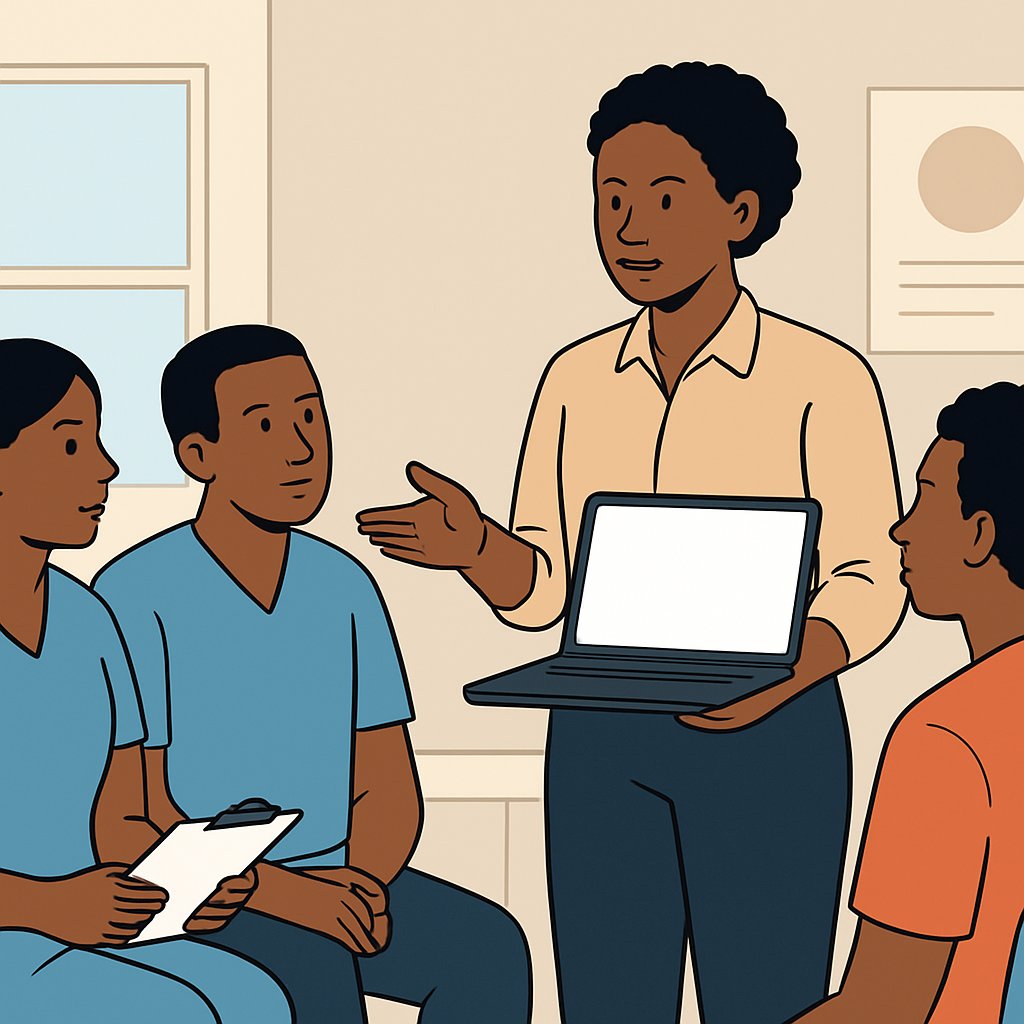
Community trust depends on consistent presence and accountable actions.
Engagement succeeds when communities help shape health activities.
Therefore, consistent presence supports sustained engagement over time.
Community Mobilisation
Mobilise through participatory planning that involves diverse community voices.
Begin by mapping local resources and informal networks.
Then adapt mobilisation methods to local rhythms and schedules.
- Organise regular community meetings to discuss priorities and solutions.
- Use community-led committees to increase local ownership of activities.
- Implement visible feedback channels to show responsiveness to local concerns.
- Prioritise transparent decision making to build predictable and trustworthy processes.
Culturally Sensitive Communication
Tailor messages to reflect local values and everyday language.
Maintain a respectful tone and use nonjudgmental phrasing.
Also monitor feedback to adjust messaging quickly.
- Engage active listening to understand community concerns and priorities.
- Translate messages into locally spoken languages when appropriate.
- Incorporate culturally relevant examples to increase message resonance.
- Use diverse communication channels to reach different audience segments.
Stakeholder Collaboration
Build partnerships with formal and informal local stakeholders.
Clarify roles and expectations at the start of collaboration.
Nurture mutual respect to sustain long term collaboration.
- Map stakeholders to identify complementary skills and influence areas.
- Establish regular coordination meetings to align activities and avoid duplication.
- Create simple memoranda to record agreed responsibilities and communication norms.
- Share timely information to support joint problem solving and planning.
Monitoring and Feedback Mechanisms
Track engagement through simple and community friendly tools.
Use feedback to refine strategies and increase relevance.
Also collect regular community input through meetings or suggestion boxes.
- Collect regular community input through meetings or suggestion boxes.
- Report back on actions taken to demonstrate accountability and progress.
Gain More Insights: How Surgeons Contribute to Nigeria’s Healthcare System
Common challenges and risk-management strategies
This section outlines common challenges and risk-management strategies.
It focuses on practical actions for community health workers.
Each subsection gives specific prevention and coping measures.
Safety risks and prevention
Community health work can involve personal and environmental safety risks.
Before visits assess risks in work areas.
Also share schedules with supervisors and trusted contacts.
Carry visible identification during outreach activities.
Use basic infection prevention measures when required.
Establish simple emergency plans with local stakeholders.
- Avoid isolated areas when possible during outreach.
- Keep communication devices charged and accessible.
- Report incidents promptly to supervisors and community leaders.
Managing supply constraints
Supply shortages can disrupt routine services and outreach.
Therefore monitor consumables and medicines regularly.
Maintain simple stock records to track usage.
Prioritise essential supplies when resources are limited.
- Coordinate with supervisors for scheduled restocking requests.
- Identify local alternatives for non-critical items.
- Conserve supplies through careful planning and task grouping.
Managing workload and time
High workloads can increase stress and reduce service quality.
Consequently set realistic daily and weekly goals.
Prioritise urgent and high-impact tasks first.
Use simple tools to organise appointments and follow-ups.
- Delegate non-clinical tasks to trained community volunteers.
- Set clear working hours and communicate them to community members.
- Schedule regular brief breaks to maintain attention and safety.
Ethical dilemmas and decision guidance
Community health work can present ethical dilemmas in practice.
For instance confidentiality and fair resource allocation may conflict.
Apply basic ethical principles to guide actions.
Consult supervisors or ethics committees when unsure.
- Document the situation and the choices considered.
- Discuss options with colleagues while protecting client privacy.
- Choose transparent actions and explain them to affected parties.
Coping approaches and wellbeing strategies
Sustained stressful work can harm wellbeing and performance.
Therefore adopt routine self-care practices and peer support.
Build brief debrief sessions after difficult days.
Set boundaries between work and personal time.
- Use short relaxation techniques between tasks to reset focus.
- Engage regularly with peer groups for shared problem solving.
- Seek supervisory feedback to improve practice and reduce uncertainty.
Organisational risk-management practices
Organisations should support workers with clear policies and supplies.
Establish reporting channels for incidents and near misses.
Plan regular training on safety and ethical decision-making.
Continuing Professional Development and Use of Technology
This section explains professional development and technology for community health workers.
It outlines learning formats mentorship reflective practice and blended options.
Also it covers digital tools telehealth and practical integration steps.
Continuing Professional Development Pathways
The pathways include in service workshops mentorship reflective practice and online learning.
Publish Your Professional Profile, Business or Brand
Showcase your expertise, gain trust, and boost visibility instantly on Professions.ng.
Publish NowThese options support routine skill reinforcement and professional growth.
They combine practical sessions with reflective documentation and supervision.
In Service Learning and Workshops
In service workshops support regular skill refreshers.
Brief practical sessions reinforce device and reporting skills.
These activities help staff apply skills during routine work.
Mentorship and Peer Learning
Mentorship pairs less experienced workers with experienced colleagues.
Peer learning groups promote problem solving and knowledge sharing.
Regular peer meetings sustain collaborative learning and shared problem solving.
Reflective Practice and Portfolios
Reflective practice helps community health workers record lessons and improvements.
Portfolios demonstrate progress for supervisors and employers.
Workers can review portfolios during supervision to guide development.
Online and Blended Learning
Online modules allow flexible study around community duties.
Blended learning mixes online theory with practice sessions.
This approach balances convenience with hands on skill building.
Digital Tools for Data Collection and Reporting
This section covers digital tools for data collection and reporting.
It focuses on design data quality and offline considerations.
Also it highlights routine reporting and feedback loops.
Design and Workflow
Choose tools that match local reporting workflows.
Keep interfaces simple for routine use.
User friendly design reduces entry errors and speeds reporting.
Data Quality and Security
Train staff on accurate data entry and validation checks.
Secure data handling protects client confidentiality.
Therefore use clear passwords and controlled access.
Offline and Connectivity Considerations
Select solutions that support offline data capture and sync.
Devices must resubmit records when networks return.
Allow scheduled syncs to avoid data loss during outages.
Routine Reporting and Feedback Loops
Set clear schedules for routine data reporting.
Timely feedback improves local service delivery.
Feedback sessions help teams correct data and improve care.
Telehealth and Remote Support
This section addresses telehealth and remote support practices.
It defines appropriate uses triage and privacy expectations.
Also it covers supervision remote consultations and documentation.
Appropriate Uses and Triage
Use telehealth for follow ups and remote advice.
Reserve emergency cases for in person care.
Apply triage to route clients to the right service.
Client Consent and Privacy
Always obtain informed consent before remote consultations.
Explain limits of remote care to clients.
Document consent and store records according to policy.
Supervision and Specialist Linkages
Use remote links to consult supervisors or specialists when needed.
Document remote consultations in routine reports.
These linkages expand access to specialist input.
Practical Tips for Remote Consultations
Prepare a private space for client conversations.
Moreover test audio and video before each session.
Also confirm client identity at the start of contact.
Checklist for Integrating Technology into Professional Development
Use this checklist to guide technology integration into CPD.
Assess needs allocate time and provide hands on training.
Also plan for maintenance monitoring and supervisory review.
- Assess learning needs and digital skills.
- Allocate time for regular CPD activities.
- Provide hands on device training and simulations.
- Establish data review meetings with supervisors.
- Monitor data quality and user feedback.
- Plan for device maintenance and charging.
Integrate CPD and technology to strengthen practice and career development.
Additional Resources
Google search results for How to Build a Career as a Community Health Worker in Nigeria Healthcare
Bing search results for How to Build a Career as a Community Health Worker in Nigeria Healthcare