




The Role of a Professional Chef
A professional chef prepares food while managing important kitchen responsibilities.
In Nigeria’s food industry, the chef contributes directly to food preparation and service.
Additionally, the chef helps maintain consistency across the food served.
Planning and Preparing Food
A chef plans food preparation according to the kitchen’s needs.
The chef selects suitable ingredients for each planned dish.
Next, the chef prepares ingredients and transforms them into finished meals.
Furthermore, the chef applies appropriate cooking methods during preparation.
Finally, the chef presents meals in an appealing and organized manner.
Maintaining Food Quality
A professional chef checks food quality throughout the preparation process.
The chef monitors flavour, texture, appearance, and overall presentation.
Therefore, the chef must pay close attention to every cooking stage.
Before serving, the chef corrects any preparation issues.
Managing Kitchen Responsibilities
A chef organizes kitchen activities to support efficient food preparation.
The chef coordinates tasks among people involved in the cooking process.
Moreover, the chef communicates clearly while directing kitchen work.
Careful time management helps the chef support timely food service.
As a result, effective organization helps the kitchen meet its responsibilities.
Supporting Hygiene and Order
A professional chef keeps the preparation area orderly during kitchen operations.
Throughout cooking, the chef handles ingredients carefully.
Additionally, the chef promotes cleanliness during food preparation and service.
An organized workflow helps the chef reduce confusion in the kitchen.
Serving Food Industry Needs
A chef responds to the expectations of the food business and its customers.
The chef adapts preparation decisions to the kitchen’s purpose.
Consequently, the chef balances creativity with consistency and responsibility.
Each completed dish represents the chef’s commitment to food quality.
Professional Responsibility
Becoming a professional chef requires more than cooking ability.
A chef accepts responsibility for preparation, presentation, coordination, and quality.
Furthermore, the chef approaches kitchen duties with discipline and attention.
These responsibilities define the chef’s role within Nigeria’s food industry.
Educational Pathways for Aspiring Chefs
Aspiring chefs can develop their abilities through culinary training, apprenticeships, and practical learning.
Each pathway offers a different way to build knowledge, confidence, and kitchen experience.
These options support different stages of culinary skill development.
Culinary Training
Culinary training gives learners a structured environment for developing foundational cooking knowledge.
Students can study techniques, preparation methods, presentation, and kitchen organisation.
They can also practise following instructions and maintaining consistent standards.
Furthermore, structured training encourages learners to ask questions and receive guidance.
A focused programme can help aspiring chefs identify areas that require additional practice.
Therefore, learners should choose training that matches their goals and preferred learning style.
Apprenticeships
Apprenticeships allow aspiring chefs to learn directly within an active food environment.
Apprentices observe experienced professionals and gradually practise tasks under supervision.
This approach connects instruction with the daily demands of professional kitchen work.
Moreover, apprentices can learn by watching preparation, organisation, communication, and service routines.
They should remain attentive, accept corrections, and apply feedback during each learning opportunity.
Consistent participation helps apprentices strengthen their skills through repeated practice.
Practical Learning
Practical learning turns culinary knowledge into usable ability through regular hands-on activity.
Aspiring chefs should practise preparing food, managing tasks, and improving their techniques.
They can review each attempt and identify specific areas for improvement.
Additionally, practical sessions encourage learners to build speed, accuracy, and confidence gradually.
Learning becomes more effective when aspiring chefs combine practice with reflection.
They should record useful lessons and apply them during future cooking activities.
Combining Different Pathways
Aspiring chefs can combine formal training with apprenticeships and independent practice.
Each pathway can strengthen the others when learners apply knowledge consistently.
Training can introduce concepts, while apprenticeships can demonstrate their application.
Practical learning can then reinforce those lessons through repetition and personal evaluation.
This combination helps learners develop a broader foundation for professional kitchen work.
Choosing a Suitable Learning Route
Learners should consider their available time, learning preferences, and culinary goals.
They should also examine how each pathway supports practice, guidance, and skill development.
A clear learning plan can help them focus their efforts and monitor progress.
However, learners should remain flexible as their interests and abilities develop.
Ultimately, committed practice and continuous learning support progress within Nigeria’s food industry.
Essential Skills for Culinary Success
A professional chef combines culinary knowledge, creativity, organization, and communication.
These skills help chefs produce consistent work and collaborate effectively within Nigeria’s food industry.
Together, these abilities support dependable kitchen performance.
Building Strong Culinary Skills
Chefs must understand ingredients, preparation methods, cooking techniques, and food presentation.
They should handle ingredients carefully and follow recipes with accuracy.
Additionally, chefs must control timing to coordinate several preparation tasks.
They should maintain consistent quality across repeated dishes and service periods.
Strong culinary skills also help chefs adjust preparation methods when circumstances change.
Developing Culinary Creativity
Creativity allows chefs to develop appealing dishes and improve familiar preparations.
Chefs can explore different combinations while preserving balance, quality, and purpose.
Furthermore, creative thinking helps chefs respond to available ingredients and changing preferences.
However, chefs should apply creativity thoughtfully instead of sacrificing consistency.
Strengthening Organization
Organization helps chefs manage ingredients, preparation stages, schedules, and kitchen priorities.
Chefs should plan their tasks before beginning preparation.
They must arrange work logically to reduce confusion and unnecessary delays.
Moreover, organized chefs keep their work areas orderly throughout the cooking process.
Good organization supports smoother teamwork and more dependable results.
Practising Time Management
Chefs must divide their attention without losing focus on important tasks.
They should prioritize preparations according to timing, complexity, and service needs.
Consequently, effective time management helps chefs complete work within expected periods.
Chefs also need to remain calm when several tasks require attention simultaneously.
Improving Communication
Clear communication helps chefs share instructions, expectations, and updates with others.
Chefs should listen carefully before responding to questions or concerns.
They must communicate respectfully, especially during demanding kitchen situations.
Furthermore, precise communication reduces misunderstandings during preparation and service.
Strong communication also encourages cooperation among everyone involved in the kitchen.
Practising Adaptability and Discipline
Adaptability helps chefs respond constructively when plans, ingredients, or priorities change.
Publish Your Professional Profile, Business or Brand
Showcase your expertise, gain trust, and boost visibility instantly on Professions.ng.
Publish NowChefs should assess new situations quickly and choose practical responses.
Meanwhile, discipline encourages consistent preparation, careful attention, and professional conduct.
Chefs who combine adaptability with discipline can maintain standards under pressure.
Maintaining a Professional Mindset
Professional chefs remain open to feedback and seek continuous improvement.
They evaluate their results honestly and identify areas requiring further attention.
Additionally, chefs should demonstrate patience while refining their culinary and interpersonal abilities.
This mindset supports steady growth within Nigeria’s food industry.
Uncover the Details: Why Customer Experience Managers Are Crucial in Nigeria’s Businesses
Building Experience Through Kitchen Roles
Hands-on kitchen experience helps aspiring chefs convert culinary knowledge into dependable workplace performance.
Entry-level roles introduce daily routines through direct participation and supervised practice.
Moreover, these roles show how individual duties support coordinated kitchen operations.
Starting with Foundational Responsibilities
Beginners build confidence by completing assigned tasks carefully and consistently.
These duties develop preparation, coordination, timing, and communication in real kitchen settings.
Additionally, guidance helps beginners recognise weaknesses and improve their working methods.
Progressing Through Demonstrated Ability
Professional growth begins when chefs demonstrate reliability in their current responsibilities.
As their capability develops, they can accept more demanding kitchen duties.
Consequently, greater responsibility strengthens decision-making and encourages ownership of assigned work.
Learning Through Repetition and Feedback
Repeated practice helps chefs improve consistency and refine their working methods.
Meanwhile, feedback reveals mistakes and helps them adjust their approach.
Therefore, aspiring chefs should use everyday tasks for deliberate improvement.
Preparing for Greater Kitchen Responsibility
Entry-level experience creates a foundation for broader kitchen responsibilities.
Chefs build trust by completing duties effectively and supporting kitchen coordination.
Eventually, progressive responsibility prepares them to contribute independently within professional kitchens.
This practical progression supports readiness for professional kitchens in Nigeria’s food industry.
Discover More: The Role of Security Personnel in Nigeria’s Corporate World
Food Safety as a Daily Responsibility
Professional chefs must protect food from contamination throughout preparation, cooking, storage, and service.
Therefore, chefs should keep food handling areas clean before, during, and after kitchen activities.
They must separate raw ingredients from ready-to-eat food during preparation.
Additionally, chefs should prevent cross-contamination through clear handling practices.
They must inspect ingredients before use and remove anything unsuitable for preparation.
Safe Food Handling
Chefs should handle every ingredient carefully and maintain cleanliness throughout each preparation stage.
They must follow established kitchen procedures for receiving, preparing, cooking, and serving food.
Furthermore, chefs should protect prepared food from unnecessary exposure during service.
They must communicate food safety concerns immediately to the appropriate kitchen leader.
Responsible Storage Practices
Chefs should store ingredients in ways that preserve quality and protect them from contamination.
They must keep prepared food separate from ingredients requiring further preparation.
Moreover, chefs should maintain orderly storage areas for quick and safe identification.
They must avoid ingredients when their condition creates a food safety concern.
Personal Hygiene in the Kitchen
Personal hygiene supports safe food preparation and reflects a chef’s professional standards.
Chefs must maintain clean hands before handling ingredients and whenever contamination may occur.
They should keep their clothing and personal appearance suitable for kitchen work.
Additionally, chefs must avoid actions that could transfer dirt or contaminants to food.
Clean Working Habits
Chefs should clean their hands after handling raw ingredients, waste, or unclean surfaces.
They must keep preparation surfaces clean while completing each kitchen task.
Furthermore, chefs should clean as they work instead of allowing disorder to develop.
They must maintain personal cleanliness throughout the working period, not only before service.
Health Awareness
Chefs should report health concerns that could affect safe food handling.
They must follow workplace instructions when illness creates a risk around food.
Therefore, professional chefs place customer safety above personal convenience.
Kitchen Discipline and Order
Kitchen discipline helps chefs maintain consistency, safety, and control during demanding service periods.
Chefs must follow instructions carefully and complete assigned tasks responsibly.
They should keep ingredients, equipment, and work areas organized throughout preparation.
Moreover, chefs must respect kitchen procedures even when work becomes fast-paced.
Maintaining an Organized Station
A chef should arrange a workstation to support efficient and safe movement.
They must return items to their proper places after use.
Additionally, chefs should remove waste promptly and prevent clutter from affecting work.
They must keep shared areas ready for other kitchen team members.
Following Kitchen Procedures
Chefs should follow agreed preparation methods instead of making unnecessary changes during service.
They must ask for clarification when instructions remain unclear.
Furthermore, chefs should record or communicate important changes according to workplace expectations.
They must take responsibility for mistakes and correct them promptly.
Professional Conduct and Team Standards
Professional conduct shapes teamwork, kitchen communication, and service quality.
Chefs must treat colleagues respectfully while maintaining clear and direct communication.
They should listen carefully, respond appropriately, and support orderly teamwork.
Moreover, chefs must avoid behaviour that distracts others or compromises kitchen safety.
Clear Communication
Chefs should communicate instructions before tasks begin and confirm important information when necessary.
They must share changes that affect preparation, timing, safety, or service.
Additionally, chefs should speak calmly during pressure and avoid creating confusion.
They must alert colleagues about hazards, delays, and unfinished responsibilities.
Accountability at Work
Professional chefs accept responsibility for their decisions, actions, and assigned duties.
They must address problems honestly instead of hiding mistakes.
Therefore, chefs should seek solutions that protect food quality, safety, and teamwork.
They must respect workplace standards consistently, regardless of supervision.
Consistency and Quality Control
Professional standards require chefs to deliver consistent work across preparation and service.
Chefs should follow approved methods while maintaining careful attention to quality.
They must check completed work before presenting food for service.
Furthermore, chefs should correct avoidable errors before they affect customers or colleagues.
Attention to Detail
Chefs must observe cleanliness, preparation accuracy, presentation, and proper handling throughout their work.
They should review each task before moving to the next responsibility.
Additionally, chefs must maintain focus when repeating familiar kitchen duties.
Consistent attention helps chefs uphold professional expectations every day.
Continuous Improvement
Chefs should remain open to feedback about safety, hygiene, discipline, and professional performance.
They must apply useful guidance to improve their daily practices.
Moreover, chefs should evaluate their work and identify areas requiring greater care.
Professional growth depends on respecting standards and improving through consistent practice.
Learn More: The Importance of Spa Therapists in Nigeria’s Wellness Market
Study Nigerian Culinary Foundations
Begin by studying Nigerian dishes, ingredients, preparation methods, and cooking traditions.
Publish Your Professional Profile, Business or Brand
Showcase your expertise, gain trust, and boost visibility instantly on Professions.ng.
Publish NowThis knowledge helps chefs understand how different elements contribute to a dish’s identity.
Furthermore, chefs should examine how preparation choices influence flavor, texture, aroma, and appearance.
Develop Ingredient Awareness
Chefs should learn how Nigerian ingredients behave during different cooking processes.
They should also understand how ingredients interact within traditional recipes and contemporary dishes.
Additionally, careful observation helps chefs make informed substitutions without losing culinary character.
Respect Culinary Identity
Professional chefs should approach Nigerian cuisine with respect and thoughtful attention.
They must preserve important characteristics when adapting familiar dishes.
However, creativity should support the dish rather than obscure its Nigerian identity.
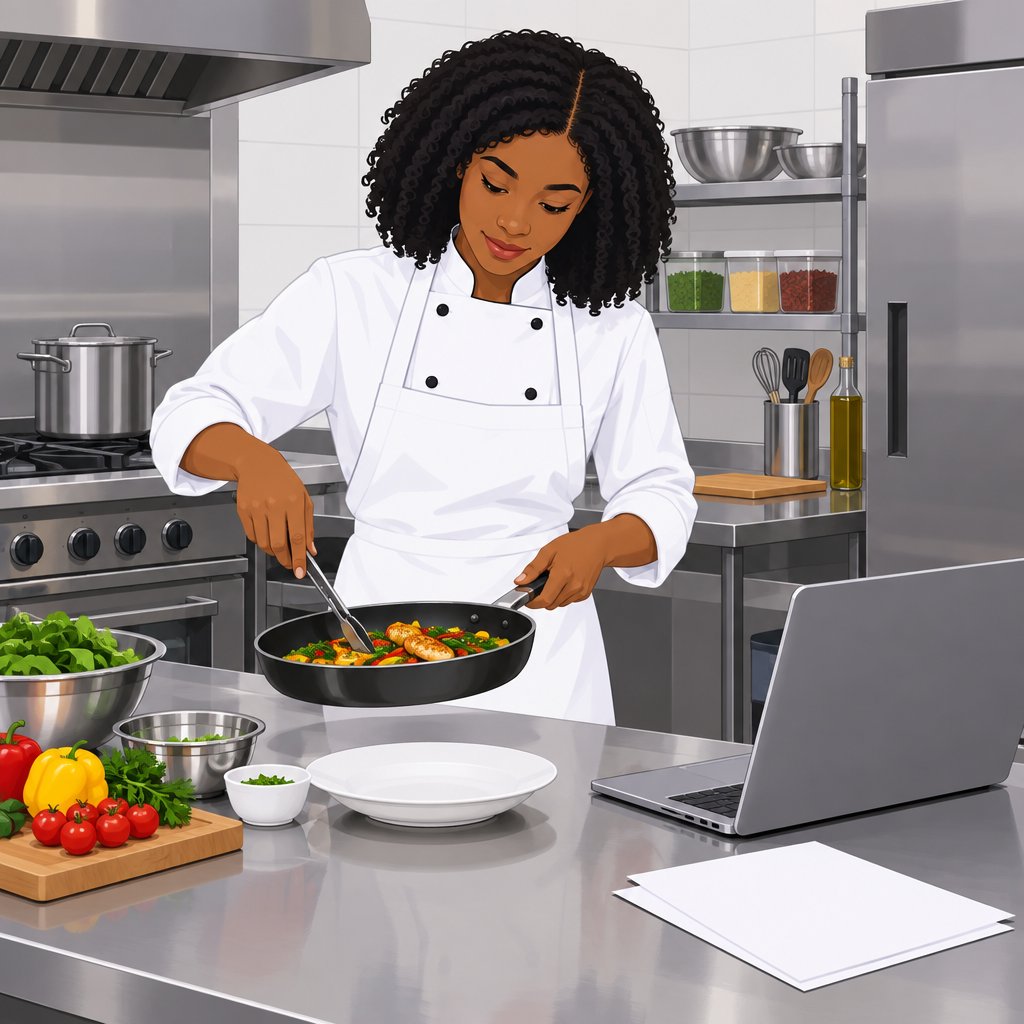
Build International Technique Knowledge
Next, chefs should explore international cooking techniques that expand their culinary range.
These techniques can strengthen control over preparation, presentation, texture, and flavor.
Moreover, broader technique knowledge allows chefs to approach ingredients with greater flexibility.
Connect Techniques With Ingredients
Chefs should evaluate which international techniques suit specific Nigerian ingredients and dishes.
They can then adapt methods while maintaining the ingredients’ essential qualities.
Therefore, technique selection should always serve the intended flavor and dining experience.
Create Thoughtful Culinary Combinations
Combining Nigerian culinary knowledge with international techniques requires balance and clear purpose.
Chefs should identify the central character of each dish before introducing new methods.
Then, they can develop combinations that feel deliberate rather than confusing.
Refine Through Consistent Evaluation
Chefs should assess every adaptation through flavor, texture, appearance, and overall harmony.
They should record useful observations and adjust future preparations accordingly.
Over time, this process can strengthen personal judgment and culinary versatility.
Maintain Continuous Curiosity
Culinary expertise grows when chefs remain curious about both Nigerian and international cooking.
They should continue comparing methods, questioning assumptions, and exploring new possibilities.
Ultimately, versatility allows chefs to honor Nigerian cuisine while developing an individual culinary voice.
You Might Also Like: Mbadiwe & Wokocha OG Legal Consult in Victoria Island: Tech, Media & Corporate Law Practice
Career Opportunities in Nigeria’s Food Sectors
Professional chefs can pursue opportunities across Nigeria’s hospitality and food industries.
These opportunities may involve preparing food, coordinating kitchen activities, or supporting broader food-service operations.
Additionally, chefs can build careers in environments that value culinary expertise and professional standards.
Hospitality Career Paths
Hospitality employers may offer roles that match different levels of culinary experience and responsibility.
Chefs can seek positions focused on food preparation, kitchen coordination, or culinary supervision.
Furthermore, experienced professionals can pursue roles involving team guidance and consistent kitchen performance.
Food Industry Opportunities
The wider food industry can provide opportunities beyond traditional kitchen employment.
Chefs may contribute to food businesses through menu planning, product development, or culinary consultation.
They can also apply their knowledge in settings that connect food preparation with business operations.
Therefore, aspiring professionals should consider hospitality employers and broader food-sector opportunities.
Specialization Options for Professional Chefs
Specialization allows chefs to focus their development on particular culinary or operational interests.
Each direction requires consistent practice, professional discipline, and continued learning.
Chefs can choose specializations that reflect their strengths and professional interests.
These choices can guide their future responsibilities within food businesses.
Culinary Production
Some chefs may specialize in preparing specific food categories within professional kitchens.
This focus can help them strengthen technique, consistency, and attention to detail.
Chefs can also develop specialized abilities in baking, pastry, or catering.
Menu and Food Development
Other chefs may focus on creating menus that support a food business’s goals.
This work requires chefs to combine culinary creativity with organization and clear communication.
Moreover, menu development helps chefs express culinary ideas through structured food offerings.
Kitchen Operations
Some professionals may prefer responsibilities involving workflow, coordination, and daily kitchen organization.
This specialization connects culinary knowledge with leadership and operational decision-making.
As a result, chefs can shape careers around food production or kitchen management.
Professional Growth Within the Industry
Professional growth depends on how effectively chefs develop skills and accept greater responsibility.
Chefs can pursue advancement by strengthening culinary abilities and expanding workplace contributions.
They can also measure progress through improved performance and broader responsibilities.
Intentional development helps chefs prepare for changing opportunities within the industry.
Building Leadership Capacity
Leadership growth involves guiding colleagues, communicating expectations, and supporting organized kitchen performance.
Chefs who develop these abilities can prepare for responsibilities beyond individual food preparation.
They can also contribute more actively to decisions affecting kitchen coordination and service quality.
Expanding Professional Value
Chefs can increase professional value by combining culinary expertise with organizational awareness.
They should continue improving communication, creativity, and responsibility management.
Additionally, adaptability can help professionals respond to changing expectations within hospitality and food businesses.
Creating a Personal Career Direction
Each chef can shape a career direction according to personal strengths and professional interests.
Some may prioritize culinary specialization, while others may pursue leadership or broader food-industry responsibilities.
Clarifying this direction helps chefs choose opportunities that support desired professional growth.
Ultimately, deliberate development can help chefs build sustained careers within Nigeria’s hospitality and food sectors.
Business Qualities for Kitchen and Food Venture Leadership
Business qualities help chefs guide kitchen activities and support food venture performance.
Effective leaders connect daily kitchen decisions with operational and financial responsibilities.
These qualities also help chefs maintain standards while responding to changing demands.
Planning Daily Operations
A professional chef plans kitchen activities before service begins.
First, the chef assigns responsibilities according to each team member’s duties.
Clear planning helps the kitchen maintain order during busy periods.
Moreover, the chef prepares alternatives when unexpected operational challenges arise.
Strong organisation allows the chef to balance preparation, service, purchasing, and supervision.
Managing Resources Responsibly
A chef must manage ingredients, equipment, time, and labour carefully.
Therefore, the chef monitors available resources before making operational decisions.
Careful resource management reduces unnecessary waste within the kitchen.
It also supports consistent service and responsible business operations.
Additionally, the chef evaluates resource use when reviewing daily performance.
Understanding Business Decisions
A food venture requires decisions that support both quality and sustainability.
The chef considers costs before selecting ingredients, portions, or production methods.
Furthermore, the chef connects menu decisions with the venture’s financial objectives.
Business awareness helps the chef protect standards while controlling avoidable expenses.
It also encourages deliberate choices instead of impulsive spending.
Financial Qualities for Food Business Management
Financial qualities help chefs make informed choices within food business operations.
Careful financial management connects kitchen activity with the venture’s broader objectives.
These qualities support responsible spending, clear records, and sustainable planning.
Budgeting and Cost Awareness
A professional chef needs a clear understanding of kitchen budgets.
The chef tracks spending to understand how resources support the operation.
Consequently, the chef can identify areas requiring tighter financial control.
Cost awareness also guides purchasing and production decisions.
However, the chef must balance financial discipline with the required quality.
Publish Your Professional Profile, Business or Brand
Showcase your expertise, gain trust, and boost visibility instantly on Professions.ng.
Publish NowPricing with Purpose
A food venture needs pricing decisions that reflect its operations.
The chef considers ingredient use, preparation demands, and other business costs.
Then, the chef reviews whether proposed prices support the venture’s objectives.
Clear pricing decisions help the business operate with greater financial awareness.
Additionally, the chef should explain pricing considerations when guiding the team.
Maintaining Financial Records
Accurate records help a chef understand the venture’s financial position.
The chef records relevant purchases, sales, expenses, and operational commitments.
Regular reviews reveal patterns that require attention or adjustment.
Therefore, financial records support better planning and more responsible decisions.
They also help the chef communicate clearly with business partners or team members.
Leadership Qualities for Managing People
Leadership qualities help chefs coordinate people and maintain productive kitchen relationships.
Strong leaders guide performance while protecting communication and team morale.
They also create conditions that support accountability, cooperation, and professional development.
Setting Clear Expectations
A kitchen leader communicates duties, standards, and priorities clearly.
Team members perform more effectively when they understand their responsibilities.
Therefore, the chef gives instructions before tasks begin.
The chef also checks understanding when duties require further explanation.
Clear expectations create accountability throughout the kitchen.
Building Team Cooperation
A professional chef encourages cooperation among everyone working in the kitchen.
First, the chef recognises how individual duties affect the wider operation.
Then, the chef promotes communication between team members during service.
Cooperation helps the team respond to changing demands with greater confidence.
Furthermore, respectful teamwork supports a healthier working environment.
Handling Pressure and Conflict
Kitchen leadership requires calm decisions during demanding situations.
A chef addresses problems directly without creating unnecessary confusion.
When conflict appears, the chef listens before choosing an appropriate response.
Fair communication helps preserve trust within the team.
Additionally, the chef focuses on solutions instead of assigning blame.
Developing Other People
A strong leader helps team members improve through guidance and feedback.
The chef explains mistakes clearly and identifies better approaches.
Constructive feedback encourages responsibility without weakening morale.
Over time, effective guidance strengthens the team’s ability to work independently.
Consequently, the chef builds a more capable and dependable kitchen team.
Personal Qualities for Long-Term Professional Growth
Personal qualities influence how chefs manage responsibilities and respond to professional demands.
Consistent behaviour helps chefs build trust while developing their leadership approach.
These qualities also support continued growth within kitchen and business responsibilities.
Discipline and Reliability
A professional chef follows through on responsibilities consistently.
Reliability strengthens trust among team members, partners, and customers.
Discipline also helps the chef maintain focus when work becomes demanding.
Moreover, consistent behaviour supports stable kitchen operations.
Adaptability and Initiative
The food industry can require chefs to adjust their plans.
Therefore, a chef must respond thoughtfully when circumstances change.
Initiative encourages the chef to address problems before they become larger.
Adaptability also supports new business decisions and changing customer expectations.
However, the chef should maintain clear standards while adapting.
Integrity and Accountability
A chef demonstrates integrity through honest decisions and responsible conduct.
The chef accepts responsibility for mistakes instead of hiding them.
Accountability encourages corrective action and strengthens professional credibility.
Furthermore, ethical behaviour supports trust throughout the food venture.
Resilience and Self-Awareness
Leadership requires resilience when business or kitchen challenges arise.
A resilient chef learns from difficulties and continues making thoughtful decisions.
Self-awareness helps the chef recognise personal strengths and limitations.
Consequently, the chef can seek support when necessary.
These qualities help the chef lead with greater balance and purpose.