




Assessing Movement Across Industries
Transport analysts examine how goods and people move through transportation systems.
They assess movement patterns to help growing industries plan reliable transportation systems.
Therefore, their analysis supports transportation decisions across different industries.
Studying Goods Movement
First, analysts review how goods move through transportation systems.
They examine movement requirements to support dependable transportation planning.
As a result, industries can align transportation arrangements with goods movement.
Understanding People Movement
Analysts also assess how people use transportation systems.
They consider people’s movement when industries plan transportation services.
Consequently, planners can address goods and people within one transportation view.
Turning Assessment Into Planning
Analysts use movement assessments to clarify transportation needs.
They distinguish goods movement from the movement of people.
Meanwhile, industries gain a clearer basis for organizing transportation systems.
Identifying Transportation Needs
Analysts connect assessed movement with specific transportation needs.
They separate requirements for goods from requirements for people.
Thus, industries can organize transportation systems around identified needs.
Supporting Reliable Systems
Reliable transportation systems require planning that reflects assessed movement.
Accordingly, analysts connect movement assessment with transportation planning.
This approach supports dependable decisions as industries grow.
Strengthening Industry Coordination
Transport analysts provide a structured view of movement for industry planning.
They help decision-makers consider goods and people together.
Additionally, their analysis guides discussions about transportation system needs.
Identifying Supply-Chain Bottlenecks
Transport analysts help growing industries identify supply-chain bottlenecks that disrupt industrial operations.
They examine delays, interruptions, and inefficient handoffs affecting the flow of goods.
Additionally, they connect these observations to each industry’s operational requirements.
Tracing Disruptions Across Supply Chains
Analysts review supply-chain stages to understand how interruptions affect connected activities.
They compare expected processes with observed movement patterns and operational needs.
Furthermore, they examine how one delay influences subsequent supply-chain activities.
This approach reveals pressure points that require closer attention.
Separating Symptoms from Causes
Transport analysts distinguish visible delays from the conditions creating those delays.
They consider whether coordination gaps, inefficient transfers, or process constraints contribute to disruptions.
Consequently, they focus recommendations on underlying problems instead of temporary symptoms.
This distinction supports more targeted decisions for industrial operations.
Recommending Operational Improvements
After identifying a bottleneck, analysts recommend improvements for the affected supply-chain stage.
They may propose clearer coordination between activities and better alignment with industrial requirements.
Moreover, they can recommend changes that reduce unnecessary interruptions within connected operations.
These recommendations help industries pursue smoother and more consistent workflows.
Supporting Practical Decision-Making
Analysts organize their findings so decision-makers understand each bottleneck’s operational significance.
They explain how proposed improvements could affect supply-chain continuity.
Therefore, industrial leaders can evaluate options according to their operational priorities.
Transport analysts connect supply-chain observations with informed improvement decisions.
Data-Led Planning for Industrial Expansion
Transport analysts combine travel, freight, and operational data to clarify transport requirements.
They relate these sources to expanding business activities and planning needs.
Together, these records provide a consistent basis for transport decisions.
Integrated Transport Data
Travel data helps analysts examine movement patterns connected with business operations.
Meanwhile, freight data shows how goods requirements influence transport planning.
Operational data reveals how transport activities interact with wider business processes.
Planning Priorities from Transport Information
Analysts organize relevant information before identifying transport planning priorities.
They compare transport needs with available operational requirements.
Additionally, they review changes that expanding businesses may create across transport activities.
This process helps businesses define priorities using consistent information.
Transport Capacity Planning
Transport analysts use data to help businesses consider required transport capacity.
They assess how travel and freight demands may influence operational planning.
Furthermore, they examine whether transport arrangements match business activity levels.
As a result, businesses can connect capacity planning with expansion requirements.
Coordination Across Business Operations
Operational data helps analysts examine how transport activities support business processes.
They identify relationships between transport requirements and operational schedules.
Next, they present findings that support clearer coordination across transport decisions.
This alignment helps businesses manage changing operational needs.
Comparing Transport Options
Analysts use available data to compare transport options against business requirements.
They consider how each option may support travel, freight, and operational needs.
They also review information needed to evaluate different planning choices.
This comparison gives businesses a structured basis for selecting suitable transport approaches.
Ongoing Transport Decisions
Transport analysis supports decisions beyond initial planning activities.
Businesses can review updated travel, freight, and operational information as needs change.
Analysts can then reassess transport requirements using the latest available data.
Consequently, businesses can adjust planning as their operations continue expanding.
Learn More: The Growing Opportunities for Fleet Managers in Nigeria
Managing Transportation Costs With Clear Analysis
Transport analysts examine transportation expenses to show industries how movement decisions affect overall costs.
They separate relevant cost areas to clarify where businesses spend money on transportation.
As a result, industries can compare transportation choices using consistent cost information.
This analysis supports decisions that balance necessary spending with dependable service.
Comparing Service Options
Analysts compare available transportation options according to their costs and service implications.
They help industries understand how lower expenses may affect service dependability.
Conversely, they identify situations where additional spending may support more consistent transportation.
Therefore, businesses can choose arrangements that reflect both financial priorities and service needs.
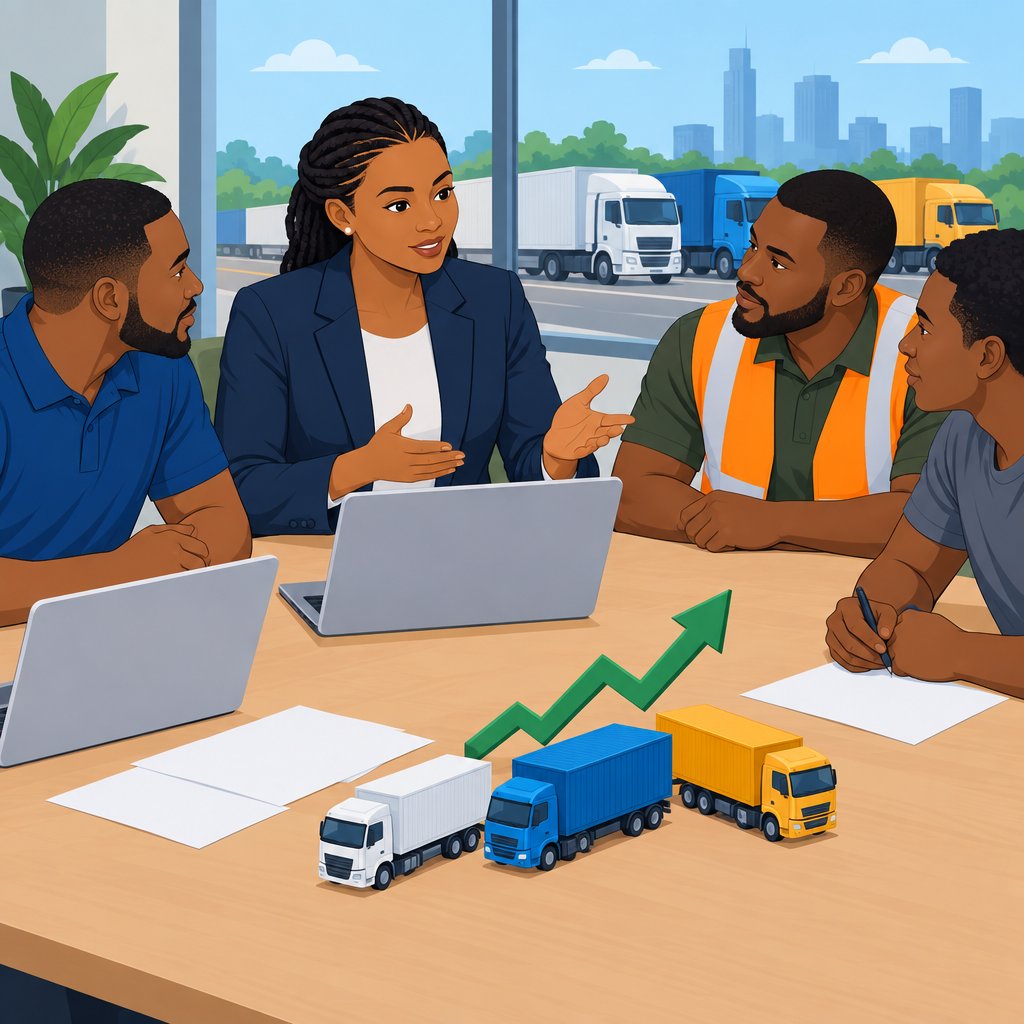
Using Demand Analysis to Align Transportation Capacity
Demand analysis helps transport analysts assess the transportation requirements of growing industries.
They examine expected movement needs to support suitable transportation planning.
Furthermore, analysts help businesses align transportation arrangements with changing demand.
Understanding Transportation Requirements
This alignment reduces the risk of paying for unsuitable service levels.
Industries can use demand findings to review transportation needs before adjusting their arrangements.
Analysts help businesses consider how demand changes may influence transportation expenses.
Consequently, companies can plan transportation services that remain responsive without losing cost awareness.
Supporting Flexible Planning
Businesses can review transportation arrangements as demand requirements change.
They can also use analysis to determine whether current services still meet business needs.
This structured review supports flexible planning and continued cost awareness.
Balancing Affordability With Dependable Service
Transport analysts help industries define the service qualities that transportation arrangements must maintain.
They then relate those priorities to the costs associated with transportation decisions.
Publish Your Professional Profile, Business or Brand
Showcase your expertise, gain trust, and boost visibility instantly on Professions.ng.
Publish NowThis approach prevents businesses from judging transportation options by price alone.
Defining Practical Priorities
Instead, industries can consider affordability alongside dependable service.
Analysts present cost and demand findings in ways that support clearer transportation decisions.
They help businesses identify choices that fit operational requirements and financial expectations.
Moreover, their analysis encourages industries to review transportation arrangements as needs develop.
Guiding Better Decisions
Regular review helps businesses maintain an appropriate balance between transportation expenses and service dependability.
Businesses can compare transportation choices against operational requirements and financial expectations.
They can then adjust arrangements when changing needs affect service priorities.
Strengthening Transportation Planning for Industrial Growth
Growing industries can use analyst findings when transportation expenses or demand requirements change.
Analysts help decision-makers evaluate adjustments before implementing them.
Thus, businesses can respond thoughtfully while protecting the reliability of transportation services.
Supporting Informed Adjustments
Cost and demand analyses give industries a consistent basis for reviewing transportation performance.
They also help businesses connect transportation decisions with broader operational needs.
Ultimately, transport analysts support disciplined planning that manages expenses without overlooking dependable service.
Creating Consistent Evaluation
Businesses can use consistent evaluation when transportation needs develop.
Analysts provide findings that clarify potential adjustments before implementation.
This process helps industries protect service dependability while managing transportation expenses.
Discover More: The Role of Tour Guides in Nigeria’s Travel and Tourism Industry
Comparing Route Connections
Transport analysts compare available routes between businesses, suppliers, and markets.
They examine how each route supports dependable movement across connected locations.
Furthermore, they identify route relationships that can strengthen business connections.
Understanding Network Structure
Analysts map transport networks to understand how different points connect.
They assess how network links support movement between suppliers, businesses, and markets.
Additionally, they identify disconnected areas that may limit distribution options.
Reviewing Distribution Patterns
Transport analysts study distribution patterns to understand how goods move through networks.
They examine whether distribution arrangements connect supply points with business needs effectively.
Moreover, they identify patterns that may create unnecessary movement between connected locations.
Strengthening Business Connections
Analysts use route and network findings to support stronger links between businesses and suppliers.
They also assess how distribution arrangements connect businesses with their markets.
Consequently, businesses can consider transport connections when shaping their distribution plans.
Supporting Connected Transport Planning
Transport analysts bring route, network, and distribution information together.
This approach helps businesses view transportation as an interconnected system.
It also supports planning that links suppliers, businesses, and markets more effectively.
Find Out More: What You Need to Know About Working as a Customs Broker in Nigeria
Infrastructure Planning for Industrial Growth
Industrial growth creates infrastructure planning requirements for transportation systems.
Transport analysts translate expected expansion into specific planning considerations.
Their work connects industrial objectives with infrastructure decisions before requirements intensify.
Translating Growth Into Requirements
First, analysts examine how increased production may change demand for transport capacity.
They then identify facilities, connections, and supporting infrastructure that require planning.
As a result, planners can align infrastructure decisions with industrial activity.
This process clarifies requirements before industrial expansion changes transportation demand.
Assessing Infrastructure Needs
Transport analysts compare existing infrastructure capacity with anticipated industrial requirements.
They identify potential gaps between transportation demand and available infrastructure.
Additionally, analysts examine how industrial expansion may create new access requirements.
This assessment helps planners define infrastructure priorities before demand increases.
Supporting Spatial Planning
Analysts examine how industrial locations influence surrounding transportation requirements.
They help planners consider connections between industrial areas and essential destinations.
Furthermore, analysts identify infrastructure needs that support movement around growing industries.
This approach encourages planners to consider transportation alongside industrial development.
Guiding Phased Development
Transport analysts distinguish immediate infrastructure requirements from longer-term planning needs.
Consequently, planners can organise infrastructure development as industrial activity expands.
Analysts also clarify which requirements demand attention during different growth stages.
This guidance helps decision-makers coordinate infrastructure planning with changing industrial demand.
Improving Planning Coordination
Transport analysts provide structured assessments that support communication among infrastructure planners.
They explain how industrial requirements affect transportation planning decisions.
Moreover, analysts help planners connect industrial objectives with practical infrastructure considerations.
Their analysis creates a clearer basis for planning transportation systems that support growth.
Delve into the Subject: How to Become a Road Safety Consultant in Nigeria
Building Resilience Through Transport Risk Assessment
Transport analysts help industries understand how transportation risks could affect operational continuity.
They assess disruptions by examining effects on movement, timing, capacity, and service reliability.
Furthermore, they distinguish isolated issues from risks affecting several connected activities.
This approach helps industries prioritize risks according to their potential operational consequences.
Evaluating Delay Exposure
Transport analysts examine how delays could influence production, deliveries, and planned business activities.
They consider whether one delay could create additional interruptions across connected transportation movements.
Consequently, industries gain clearer insight into timing uncertainty that could threaten dependable operations.
Analysts also assess how schedules might respond when transportation conditions change.
Therefore, they help businesses recognize activities requiring greater timing flexibility.
Identifying Capacity Constraints
Transport analysts compare transportation requirements with available capacity.
This comparison reveals where limited capacity could restrict industrial movement or create operational pressure.
They assess whether existing capacity can support changing business requirements.
Additionally, they identify periods when capacity limitations could increase delays or reduce service reliability.
These assessments help industries prepare before constraints disrupt planned activities.
Supporting Resilient Logistics Strategies
After assessing risks, analysts help industries organize practical responses to possible disruptions.
They support contingency planning by comparing different responses before problems occur.
For example, businesses can prioritize essential movements and time-sensitive activities.
They can also prepare flexible operating approaches for changing transportation conditions.
Moreover, analysts help industries align response plans with their operational needs.
This alignment allows businesses to manage uncertainty without relying on one transport performance assumption.
Regular assessment also helps industries review whether logistics strategies remain suitable as requirements change.
Therefore, transport analysts strengthen preparedness by connecting risk assessment with deliberate logistics planning.
Evaluating Broader Transportation Effects
Transport analysts examine how industrial transportation activity influences safety, sustainability, and surrounding communities.
Therefore, they help industries consider transportation decisions beyond immediate operational requirements.
This broader perspective helps decision-makers balance industrial needs with wider responsibilities.
Strengthening Transportation Safety
Analysts evaluate how industrial transport activity may create safety concerns across transportation systems.
They examine movement patterns, operating conditions, and interactions between industrial activity and other travelers.
Additionally, they identify circumstances that may increase exposure to transportation-related risks.
This analysis helps industries include safety considerations when developing transportation plans.
Publish Your Professional Profile, Business or Brand
Showcase your expertise, gain trust, and boost visibility instantly on Professions.ng.
Publish NowAs a result, decision-makers can compare operational needs with broader safety responsibilities.
Supporting Environmental Responsibility
Transport analysts assess how industrial transportation activity affects sustainability objectives.
They consider broader environmental implications when industries evaluate transportation choices.
Moreover, analysts compare potential approaches to support more sustainable transportation decisions.
This process encourages industries to evaluate efficiency alongside environmental responsibility.
Consequently, transportation planning can better support safer and more sustainable industrial growth.
Considering Community Effects
Industrial transportation activity can influence people and areas connected to transportation networks.
Analysts examine these broader effects while evaluating transportation requirements for growing industries.
They help decision-makers recognize how industrial movement may interact with surrounding communities.
Furthermore, this perspective encourages balanced planning that considers industrial activity and public interests.
Guiding Responsible Industrial Growth
Transport analysts bring safety and sustainability considerations into broader industrial transportation evaluations.
They organize available information to clarify potential effects and support informed decisions.
Additionally, they help industries compare transportation options through a wider planning perspective.
This approach supports growth that considers operations, safety, sustainability, and community effects together.
Their analysis helps Nigeria’s growing industries pursue transportation development with greater responsibility.


