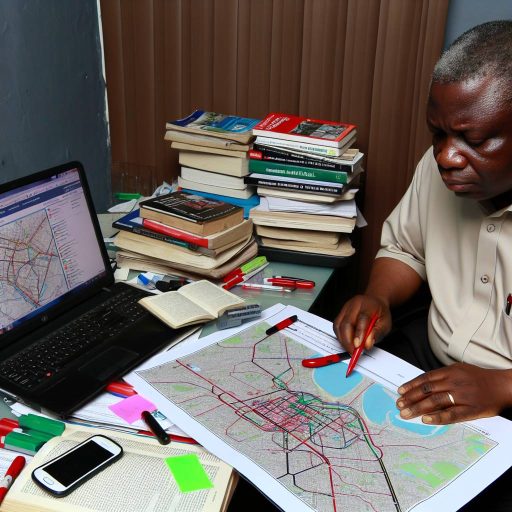




Overview of the Customs Broker Profession in Nigeria
Role and Responsibilities of Customs Brokers
Customs brokers facilitate the import and export process for businesses in Nigeria.
They prepare and submit documentation required by Nigerian Customs Service.
Moreover, they ensure compliance with all customs regulations and tariffs.
Customs brokers communicate with customs officials to resolve shipment issues promptly.
They also advise clients on duties, taxes, and import restrictions to avoid penalties.
Qualification and Licensing Requirements
To become a customs broker, candidates must pass the Nigeria Customs Service examination.
Additionally, applicants should possess relevant knowledge of trade and customs laws.
Applicants must register with the Nigerian Customs Service to obtain a broker license.
Furthermore, successful candidates attend training programs offered by regulatory bodies.
Ongoing professional development is important to stay updated with changing customs policies.
Work Environment and Employers
Customs brokers often work in customs clearing firms or logistics companies.
They may also be employed directly by importers and exporters in diverse industries.
Many customs brokers in Lagos and Port Harcourt serve Nigeria’s main seaports.
Work involves interacting frequently with shipping companies, freight forwarders, and government agencies.
The job can be fast-paced, requiring attention to detail and excellent organizational skills.
Opportunities and Challenges in the Industry
The import-export boom in Nigeria offers increased demand for skilled customs brokers.
Consequently, brokers like Chinedu Ibekwe of PrimeClear Logistics have expanded their client base.
Nonetheless, challenges include navigating complex regulations and occasional bureaucratic delays.
Moreover, brokers must manage the risk of changes in trade policies and tariffs.
Successful customs brokers adapt quickly and maintain strong professional networks.
Roles and Responsibilities of a Customs Broker
Facilitating Import and Export Processes
A customs broker expedites the clearance of goods through Nigerian customs.
They prepare and submit all necessary documentation to the Nigeria Customs Service.
Additionally, brokers ensure that all shipments comply with import and export regulations.
They verify product classifications to determine accurate duties and taxes.
Moreover, they work closely with shipping companies and importers to prevent delays.
Ensuring Regulatory Compliance
Customs brokers ensure adherence to Nigerian trade laws and policies.
They stay updated on changes in customs tariffs and import restrictions.
Furthermore, brokers advise clients on necessary permits and licenses required for shipments.
They also help to mitigate risks of penalties by ensuring full compliance.
Effective customs brokers keep detailed records for audits and inspections.
Calculating and Managing Duties and Taxes
Customs brokers accurately calculate applicable customs duties and levies for shipments.
They assist importers and exporters in understanding tax obligations.
Besides, brokers may negotiate duty drawbacks or temporary importation bonds when appropriate.
They often arrange for timely payment of fees to avoid penalties and delays.
Advising Clients on Logistics and Documentation
Customs brokers guide clients through documentation preparation such as invoices and packing lists.
They recommend the best shipping methods based on cost and delivery time.
Furthermore, brokers assist in resolving discrepancies in shipping documents promptly.
They also coordinate with freight forwarders and port authorities to streamline cargo handling.
Representing Clients in Customs Transactions
Customs brokers act as authorized agents for importers and exporters before Nigerian customs.
They handle inquiries and inspections initiated by customs officials.
Moreover, brokers facilitate dispute resolutions regarding classification or valuation issues.
They protect client interests while ensuring compliance with national trade laws.
Maintaining Professional Integrity and Confidentiality
Customs brokers uphold the highest standards of honesty and ethics in their work.
They safeguard sensitive client information from unauthorized disclosure.
Also, they maintain transparency about fees and services provided.
Brokers continually build trust through reliable and consistent service delivery.
Qualifications and Requirements to Become a Customs Broker in Nigeria
Educational Background
Prospective customs brokers must possess at least a Bachelor's degree in relevant fields.
Degrees in law, economics, business administration, or international trade are highly preferred.
Furthermore, a solid understanding of Nigeria's trade and customs regulations is essential.
Some candidates may enhance their expertise through specialized courses or diplomas in customs management.
Registration and Licensing Process
Apart from educational qualifications, obtaining a license is mandatory to operate legally as a customs broker.
The Nigeria Customs Service (NCS) oversees the licensing process within the country.
Applicants must submit completed forms along with official academic and identification documents.
Moreover, they need to pass a qualifying examination administered by the NCS.
Successful candidates receive certificates allowing them to practice as licensed customs brokers.
Professional Experience and Training
Hands-on experience in customs operations significantly increases one's chances of success.
Many customs brokers begin their careers as trainees under experienced professionals.
On-the-job training familiarizes candidates with customs clearance procedures and documentation.
Besides experience, continuous professional development is necessary to keep up with changing regulations.
Ethical and Legal Considerations
Customs brokers must adhere to strict ethical standards set by the Nigeria Customs Service.
They should avoid conflicts of interest and ensure transparent dealings with clients and authorities.
Compliance with Nigerian laws and customs regulations is non-negotiable for practicing brokers.
Violations can lead to suspension or revocation of licenses, affecting professional reputation.
Skills and Competencies
A successful customs broker demonstrates strong analytical and organizational skills.
Effective communication skills are essential for liaising with clients and government officials.
Attention to detail helps in accurately preparing import and export documentation.
Moreover, brokers must be proficient with customs software and digital platforms.
Important Regulatory and Professional Bodies
The Nigeria Customs Service regulates customs brokerage activities nationwide.
The Nigerian Customs Brokers Association provides support and advocacy for professionals.
Membership in such associations helps brokers stay informed about industry updates.
These bodies often offer seminars and workshops for continuous learning and networking.
Additional Considerations for Aspiring Brokers
Networking within the import-export community facilitates business growth and opportunities.
Building good relationships with port authorities expedites clearance and reduces delays.
Staying updated with international trade agreements can provide a competitive edge.
Finally, having strong ethical standards ensures trustworthiness and client loyalty.
You Might Also Like: How to Become a Road Safety Consultant in Nigeria
The Process of Licensing and Certification for Customs Brokers
Overview of Eligibility Requirements
To work as a customs broker in Nigeria, you must meet specific eligibility criteria.
Applicants must be Nigerian citizens or legal residents with valid identification.
Additionally, candidates should have a minimum of a secondary school certificate.
Many brokerage firms prefer candidates with higher education in business or law.
Furthermore, knowledge of customs laws and international trade is highly beneficial.
Registration with the Nigeria Customs Service
The Nigeria Customs Service oversees the licensing of customs brokers.
You must complete the application form available on their official website.
Applicants need to submit required documents including identification and academic certificates.
After submission, the Nigeria Customs Service will review your application promptly.
It is important to ensure all information provided is accurate and complete.
Examination and Certification
Applicants must pass the Customs Brokers Examination conducted by the Customs Service.
Publish Your Professional Profile, Business or Brand
Showcase your expertise, gain trust, and boost visibility instantly on Professions.ng.
Publish NowThe exam tests knowledge of customs regulations and import-export procedures.
Preparing with training programs improves the chances of passing the examination.
Successful candidates receive certification that authorizes them to operate as customs brokers.
This certificate requires renewal periodically to remain valid.
Additional Licensing Procedures
Once certified, you must register your brokerage firm officially with relevant authorities.
The company must provide a valid office address and meet minimum capital requirements.
Customs brokers should also obtain a Tax Identification Number (TIN) for business operations.
Compliance with anti-corruption and trade laws remains a continuous responsibility.
Regular audits may be conducted to ensure adherence to the licensing terms.
Maintaining Compliance and Professional Growth for Customs Brokers
Maintaining a customs broker license requires ongoing compliance with regulations.
Brokers are encouraged to attend workshops and seminars regularly.
Continuous education helps brokers stay updated on changing customs policies.
Renewing your license involves submitting proof of professional development activities.
Failure to comply can result in suspension or revocation of the customs broker license.
Learn More: Afri-vision Specialist Services Limited Lagos | Logistics and Procurement Since 2022
Key Skills and Competencies Needed for Success in Customs Brokerage
Understanding of Customs Regulations and Compliance
A deep knowledge of Nigerian customs laws is essential for customs brokers.
They must stay updated on changes in import and export regulations.
Accurate documentation and compliance help avoid legal penalties and delays.
Moreover, understanding tariff classifications improves cost management for clients.
Strong Analytical and Problem-Solving Abilities
Customs brokers analyze complex trade situations daily.
They identify potential shipment issues and develop effective solutions quickly.
This skill ensures smooth customs clearance and timely delivery.
Consequently, brokers can reduce costly shipment hold-ups and fines.
Excellent Communication and Interpersonal Skills
Effective communication with clients, customs officials, and logistics providers is critical.
Brokers must convey technical information clearly and professionally.
Additionally, strong interpersonal skills help build lasting business relationships.
These skills also facilitate negotiation during clearance disputes or tariff assessments.
Attention to Detail and Organizational Skills
Customs brokerage involves handling many detailed documents and regulations.
Mistakes in paperwork can cause costly delays or fines.
Therefore, thoroughness and organization are vital to accurate and timely processing.
Brokers benefit from digital tools to manage records efficiently.
Proficiency in Technology and Trade Software
Customs brokers use software like Asycuda and Simba to process shipments.
They must quickly learn and adapt to new customs and logistics technologies.
This expertise streamlines declarations and tracking of goods.
Consequently, brokers improve operational efficiency and customer satisfaction.
Knowledge of International Trade and Shipping Practices
Customs brokers should understand global trade agreements and procedures.
This knowledge enables effective handling of import/export under various trade regimes.
They must also be familiar with Incoterms and shipping logistics.
Thus, brokers can provide comprehensive consultancy to clients on cost and compliance.
Ethical Judgment and Professional Integrity
Trustworthiness is crucial when handling sensitive client shipments and information.
Customs brokers must adhere strictly to ethical standards and legal frameworks.
A good reputation safeguards long-term client relationships and regulatory approval.
Therefore, integrity distinguishes successful brokers like Femi Adekunle and Bamidele Import Services.
Ability to Work Under Pressure and Meet Deadlines
Customs brokerage often requires quick decision-making to avoid shipment holdups.
Brokers must manage multiple deadlines and urgent client requests effectively.
Stress tolerance and time management improve performance in fast-paced environments.
This competence ensures shipments clear customs on schedule and clients stay satisfied.
- Regulatory expertise
- Analytical thinking
- Clear communication
- Attention to detail
- Technological proficiency
- International trade knowledge
- Ethical standards
- Pressure handling
Discover More: Affordable and Reliable DELBTOS VENTURES Bus Rental Services in Lagos Nigeria
Understanding Nigerian Customs Laws and Regulations
Framework Governing Nigerian Customs
The Nigeria Customs Service enforces customs laws across the country.
It operates under the Customs and Excise Management Act (CEMA).
This act outlines procedures for importation, exportation, and transit of goods.
Moreover, the Nigeria Customs Service implements trade policies set by the federal government.
It also monitors import duties, tariffs, and trade restrictions.
Key Responsibilities of Customs Brokers
Customs brokers act as intermediaries between importers and the Nigerian Customs Service.
They ensure compliance with all customs regulations and documentation requirements.
Additionally, they calculate tariffs and taxes on imported goods.
Customs brokers must submit proper forms such as the Bill of Entry and Cargo Manifest.
They also handle cargo clearance and facilitate inspections when required.
Furthermore, brokers advise clients on prohibited and restricted items.
Compliance with Import and Export Regulations
Importers must obtain necessary permits for regulated goods like vehicles and pharmaceuticals.
Customs brokers verify that shipments comply with these permit requirements.
They help prevent delays by preparing complete and accurate customs declarations.
Brokers also stay updated on changes in Nigerian trade laws and policies.
They work closely with agencies like NAFDAC and SON to meet product approval standards.
Failure to comply may result in fines, seizure, or legal penalties.
Tariff Structures and Duty Payment
Nigeria uses the Common External Tariff (CET) adopted by ECOWAS member states.
This tariff classifies goods and assigns corresponding duty rates.
Customs brokers calculate payable duties and advise importers accordingly.
They ensure payments are made through approved channels to the Nigerian Customs Service.
Some goods may be eligible for tariff exemptions under special trade agreements.
Understanding these exemptions helps brokers reduce costs for clients legitimately.
Recent Developments in Customs Regulations
The Nigeria Customs Service recently introduced the Single Window Trade platform.
This system allows electronic submission of all import and export documents.
It reduces processing time and limits physical paperwork at ports.
Also, the government enforces stricter penalties for smuggling and under-declaration.
Customs brokers must remain vigilant to avoid compliance risks for their clients.
Continuous training on regulatory updates is essential for every customs broker.
Learn More: What It Takes to Become a Transport Planner in Nigeria

Daily Challenges and Opportunities in the Customs Brokerage Field
Handling Complex Regulatory Requirements
Customs brokers face constantly changing regulations in Nigeria’s import and export sector.
They must stay informed about new policies introduced by the Nigeria Customs Service.
Moreover, they manage detailed documentation to ensure compliance with these rules.
This task demands precision and attention to avoid costly delays or fines.
Because of this, brokers like Emeka Nwosu at Lagos Maritime Customs dedicate time daily to regulatory updates.
Managing Client Expectations and Relationships
Customs brokers interact with diverse clients, from small traders to multinational companies.
They must communicate clearly about clearance procedures and potential delays.
For instance, Amina Yusuf of PrimeTrade Logistics maintains open channels with clients.
This transparency builds trust and fosters long-term partnerships.
Publish Your Professional Profile, Business or Brand
Showcase your expertise, gain trust, and boost visibility instantly on Professions.ng.
Publish NowAdditionally, brokers often negotiate fees and resolve disputes efficiently to satisfy clients.
Navigating Delays and Logistical Setbacks
Customs clearance can be delayed due to inspections, strikes, or infrastructure issues.
Brokers must adapt quickly to changing circumstances to minimize disruption.
For example, Chinedu Okafor from Blue Harbor Logistics coordinates with port officials to expedite shipments.
Furthermore, they advise clients on realistic timelines and alternative shipping methods.
This proactive approach helps maintain supply chain continuity despite challenges.
Utilizing Technology for Efficiency
Modern customs brokers incorporate digital tools to streamline their operations.
They use electronic data interchange (EDI) systems to submit customs declarations faster.
Companies such as Greenfield Customs Solutions employ software like ASYCUDA for automated processes.
Consequently, brokers reduce errors and accelerate clearance times.
Moreover, technology enhances tracking and communication with all stakeholders involved.
Opportunities for Professional Growth
The customs brokerage field offers chances to develop specialized expertise.
Brokers can become experts in hazardous materials, perishable goods, or trade compliance.
Oladipo Adebayo transitioned from general brokerage to focus on pharmaceutical imports successfully.
Such specialization often commands higher fees and client demand.
Additionally, brokers may advance by training others or becoming customs consultants or trainers.
Customs Brokerage Contributions to Nigeria’s Economic Growth
Customs brokers play a vital role in facilitating cross-border trade.
They help ensure that goods move swiftly and legally within Nigeria’s supply chains.
By overcoming obstacles daily, brokers like Musa Sani at Northern Freight Services support business growth nationwide.
Therefore, they contribute significantly to government revenue through proper tariff collection.
Ultimately, customs brokerage remains a dynamic field full of both challenges and rewarding prospects.
Career Growth and Earnings Potential for Customs Brokers in Nigeria
Opportunities for Professional Advancement
Customs brokers in Nigeria enjoy diverse opportunities for career growth.
Most professionals begin as entry-level clerks or assistants.
With experience, they advance to senior brokerage roles at firms such as Lagos Maritime Solutions.
Skilled brokers can also become customs consultants or auditors for companies like Zenith Logistics.
Some brokers expand their careers by specializing in international trade compliance or tariff classification.
Earning certification from the Nigerian Customs Service enhances career prospects significantly.
Therefore, ongoing training is essential to stay updated with regulatory changes.
Factors Influencing Earnings Potential
Several factors affect how much customs brokers earn in Nigeria.
Primarily, experience strongly impacts income, with seasoned brokers earning more.
Brokers working for large import-export firms tend to receive higher salaries.
Moreover, brokers running their own agencies have potential for substantial profits depending on their client base.
Location matters as well, with Lagos and Port Harcourt providing more lucrative opportunities.
Educational background can influence earnings, especially when combined with professional certifications.
Typical Salary Ranges
Entry-level customs brokers in Nigeria earn approximately ₦80,000 to ₦120,000 monthly.
Mid-level brokers usually make between ₦150,000 and ₦300,000 each month.
Senior customs brokers or consultants often earn ₦400,000 to ₦700,000 monthly.
Successful brokerage agency owners may generate well above these figures depending on market conditions.
Strategies to Maximize Career Success
Networking with industry veterans helps open doors to better opportunities.
Staying current with Nigeria Customs Service policies ensures compliance expertise.
Gaining knowledge in related areas like freight forwarding expands a broker’s skill set.
Specializing in niche markets such as pharmaceutical imports attracts premium clients.
Continuous professional development remains key to sustained career growth.
Tools and Technologies Commonly Used by Customs Brokers
Digital Platforms for Documentation and Compliance
Customs brokers frequently use digital platforms to manage trade documentation efficiently.
The Nigeria Customs Service online portal helps brokers process import and export declarations.
Software like CargoWise and TradeMonitor streamline compliance with customs regulations.
These platforms reduce manual errors and accelerate clearance procedures significantly.
Integrating these tools with logistics systems enhances overall workflow visibility.
Automated Tariff and Classification Software
Customs brokers rely on tariff classification software to identify applicable duties correctly.
Systems such as TariffScan and ClassiPort support accurate Harmonized System (HS) code assignment.
By automating this process, brokers avoid costly misclassifications and delays.
These tools keep brokers updated with changes in trade policies and tariffs.
Brokers like Amara Nwosu at Elegant Trade Solutions optimize their operations using such software.
Communication and Collaboration Technologies
Effective communication tools are essential for customs brokers to coordinate with clients and authorities.
Email, instant messaging, and video conferencing platforms enhance real-time interactions.
Companies like Westbridge Customs Services adopt Microsoft Teams and Zoom for seamless collaboration.
Cloud-based document sharing supports quick access to permits and licenses.
These technologies improve responsiveness and client satisfaction markedly.
Data Analytics and Risk Management Tools
Customs brokers use data analytics to assess trade risks and enhance decision-making.
Tools like TradeSafe Analytics and RiskGuard analyze shipment data for compliance risks.
They help identify suspicious consignments and prevent potential fraud or smuggling activities.
For example, Kemi Adeniran of Lagos Customs Advisory frequently employs these solutions.
As a result, brokers improve customs clearance speed while maintaining regulatory adherence.
Mobile Applications for On-the-Go Access
Mobile applications enable customs brokers to monitor shipments remotely and manage tasks anytime.
Apps such as CustomTrack and Shipment Watch offer real-time status updates and alerts.
Mobile technology allows brokers like Chinedu Ugochukwu of PrimeLogistics to respond promptly to issues.
These apps enhance flexibility and help meet tight delivery deadlines effectively.
Therefore, adopting mobile solutions is increasingly important in Nigeria’s customs brokerage industry.
How to Build and Maintain Relationships with Clients and Customs Officials
Establishing Trust with Clients
Trust forms the foundation of every successful client relationship.
Communicate clearly and promptly with clients such as Olufunke Ajayi at Lagos Exports.
Clients appreciate transparency about customs procedures and potential delays.
Provide accurate and timely updates on shipment status.
Building trust leads to repeat business and positive referrals.
Maintaining Professionalism with Customs Officials
Respect and professionalism are crucial when interacting with customs officials.
Officials such as Inspector Emeka Nwosu expect adherence to regulations and ethical conduct.
Always submit complete and accurate documentation to prevent misunderstandings.
Arrive prepared for meetings and inspections to demonstrate reliability.
Consistent professionalism fosters mutual respect and smoother customs clearance.
Effective Communication Strategies
Maintain open lines of communication with both clients and authorities.
Use phone calls, emails, and in-person meetings depending on the situation.
Actively listen to concerns and clarify any confusing customs jargon.
Explain tariff classification clearly to clients like Halima Bello at Sahara Trading.
Timely feedback helps prevent errors and builds confidence on all sides.
Networking and Relationship Building
Attend industry events where customs officials and importers gather.
Join trade associations such as the Nigerian Customs Brokers Forum.
Networking with peers like Chinedu Okeke from Oceanic Freight increases your knowledge.
These connections facilitate problem-solving and keep you updated on regulatory changes.
Publish Your Professional Profile, Business or Brand
Showcase your expertise, gain trust, and boost visibility instantly on Professions.ng.
Publish NowAdditionally, gifting small tokens during festive seasons can strengthen goodwill.
Handling Disputes and Challenges
Address disputes swiftly and professionally without assigning blame.
If a client questions a customs fee, explain the relevant laws and provide documentation.
Resolve misunderstandings with officials by discussing issues calmly and respectfully.
Listening carefully helps identify root causes and create workable solutions.
Maintaining composure during conflicts preserves relationships long term.
Providing Value Beyond Compliance
Offer clients additional insights on duty optimization and trade incentives.
For example, advise Mojisola Adeoye’s import business on free trade agreements.
This proactive approach positions you as a trusted advisor, not just a broker.
Keep officials informed of any suspicious activities to reinforce your integrity.
Delivering extra value strengthens your reputation and encourages loyalty.
Additional Resources
H-2A Visa Program For Temporary Workers – Farmers.gov
Is it advisable to carry Nigerian food stuffs while traveling? – Facebook