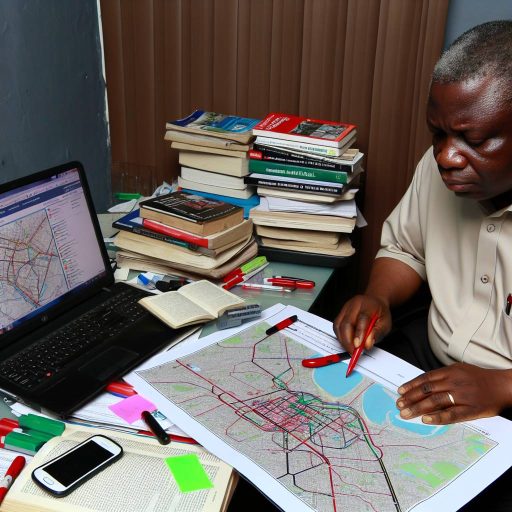




Role and Responsibilities of a Road Safety Consultant in Nigeria
Guiding Road Safety Policies and Practices
A road safety consultant develops strategies to reduce traffic accidents in Nigeria.
They work with government agencies such as the Federal Road Safety Corps.
Moreover, they help shape policies that improve road user behavior and safety standards.
By analyzing accident data, they identify key areas for intervention.
They also recommend changes in traffic laws and regulations to enhance safety.
Conducting Risk Assessments and Safety Audits
Consultants carry out risk assessments on roads and transportation systems.
They inspect highways, intersections, and pedestrian crossings for hazards.
Additionally, they perform safety audits for new and existing road projects.
These evaluations help prevent accidents before construction begins.
They provide detailed reports with practical recommendations for improvement.
Training and Capacity Building
Road safety consultants organize workshops for drivers and road authorities.
They train commercial vehicle operators on defensive driving techniques.
Furthermore, they educate law enforcement on effective traffic management.
Through capacity building, they promote safer driving cultures across communities.
They may collaborate with institutions like Lagos Traffic Management Authority for training programs.
Collaboration with Stakeholders
Consultants liaise with transportation companies and civil society groups.
They engage communities to raise awareness about road safety issues.
Also, they coordinate with city planners to integrate safety into urban development.
They work alongside insurance firms to assess risk and prevention measures.
Effective collaboration enhances the impact of road safety initiatives nationwide.
Research and Data Analysis
Consultants gather and analyze traffic accident and injury data continuously.
They identify trends and emerging risks on Nigerian roads.
Research helps in designing targeted interventions that save lives.
They publish findings and recommendations to inform policymakers and the public.
Data-driven decisions improve the sustainability of road safety solutions.
Obtain Relevant Educational Qualifications
Choose a Suitable Field of Study
Start by selecting a degree related to road safety consulting.
Popular fields include traffic management, civil engineering, or environmental science.
These areas provide fundamental knowledge required for the role.
Moreover, they equip you with technical and analytical skills.
Enroll in Accredited Institutions
Select reputable Nigerian universities or polytechnics for your studies.
Examples include the University of Lagos, Obafemi Awolowo University, or Ahmadu Bello University.
These institutions offer specialized programs relevant to road safety.
Also, ensure the program has accreditation from Nigeria’s National Universities Commission.
Focus on Relevant Coursework
Prioritize courses that cover traffic regulations and road safety.
Learn about road design, accident analysis, and risk management.
Additionally, study environmental impact as it relates to road networks.
Such knowledge enhances your ability to implement safety measures effectively.
Pursue Advanced Certifications
Consider obtaining professional certifications to boost expertise.
Certifications from organizations like the Nigerian Institute of Transport Technology add value.
Moreover, international certifications in road safety can broaden your skillset.
These credentials improve employment prospects and credibility as a consultant.
Gain Practical Experience Through Internships or Entry-Level Positions in Road Safety or Transportation Agencies
Importance of Hands-On Experience
Gaining practical experience is essential for building a career in road safety consulting.
It helps you apply theoretical knowledge to real-world situations effectively.
Moreover, hands-on experience sharpens your problem-solving and analytical skills.
Therefore, working within transportation agencies or road safety organizations offers invaluable learning.
Finding Suitable Internship Opportunities
Start by researching Nigerian agencies focused on road safety and transportation.
Agencies like the Federal Road Safety Corps often offer internships and volunteer roles.
Additionally, state transport ministries and local government bodies run relevant programs.
Check company websites, social media pages, and job boards for available positions.
You can also network through seminars and workshops targeting transport and safety professionals.
Benefits of Entry-Level Positions in the Field
Entry-level roles provide exposure to professional standards and industry practices.
They help you understand regulatory frameworks governing Nigerian roads and traffic.
Working with experts like Emeka Chukwu from Lagos Transportation Authority boosts your skills.
Furthermore, entry-level experience builds your resume to attract future employers or clients.
Key Skills to Develop During Practical Experience
Focus on improving data collection and analysis related to traffic accidents and road conditions.
Learn to conduct risk assessments and propose safety solutions effectively.
Develop communication skills to work with multidisciplinary teams and stakeholders.
Gain familiarity with road safety technologies and policy implementation processes.
Strategies to Maximize Learning From Practical Experience
Ask for feedback regularly to enhance your performance and knowledge base.
Document your experiences and projects to create a professional portfolio.
Volunteer for diverse tasks to broaden your understanding of road safety challenges.
Stay updated with industry trends by attending local conferences and reading relevant publications.
Gain More Insights: Afri-vision Specialist Services Limited Lagos | Logistics and Procurement Since 2022
Acquire Professional Certifications Related to Road Safety and Traffic Management
Importance of Professional Certifications
Professional certifications validate your knowledge and skills in road safety and traffic management.
They enhance your credibility when offering consulting services.
Furthermore, certifications demonstrate your commitment to industry standards.
Employers and clients often prefer certified consultants for road safety projects.
Therefore, obtaining certifications increases your marketability in Nigeria.
Relevant Certifications to Pursue
Start by researching certifications recognized in Nigeria and internationally.
Consider certifications offered by the Nigerian Institution of Traffic Engineers.
Also, look for courses accredited by the Federal Road Safety Corps.
Internationally, certifications from organizations like the Institute of Transportation Engineers are valuable.
Other important credentials include Road Safety Audit Certification and Traffic Management Training.
Where to Obtain Certifications
Enroll in accredited training institutions such as Lagos Traffic Institute.
Alternatively, explore programs at the National Driving Institute in Abuja.
Several universities in Nigeria now offer diplomas in road safety management.
Online accredited platforms provide flexibility for busy professionals.
Make sure the course offers practical skills as well as theoretical knowledge.
Preparing for Certification Exams
Review the syllabus and exam requirements carefully before enrolling.
Create a study plan that covers all essential topics in road safety.
Join study groups or professional forums to discuss key concepts.
Take practice exams when available to assess your readiness.
Additionally, seek mentorship from certified consultants like Amina Balogun or Emeka Okafor.
Maintaining and Renewing Certifications
Most certifications require periodic renewal through continued education.
Participate in workshops, seminars, or refresher courses regularly.
Stay updated with changes in road safety laws and traffic regulations.
Document your professional development activities to support renewals.
Publish Your Professional Profile, Business or Brand
Showcase your expertise, gain trust, and boost visibility instantly on Professions.ng.
Publish NowMaintaining certifications ensures your consulting skills remain current and relevant.
Discover More: Affordable and Reliable DELBTOS VENTURES Bus Rental Services in Lagos Nigeria
Develop Skills in Data Analysis, Risk Assessment, and Road Accident Investigation
Mastering Data Analysis
Data analysis forms the backbone of effective road safety consultancy.
Start by learning how to collect accurate traffic and accident data.
Use software like SPSS, Excel, or R to interpret this information efficiently.
Moreover, understanding trends helps identify high-risk zones and behaviors.
For instance, analyzing fatality rates guides targeted safety interventions.
Consider enrolling in courses that focus on statistical and spatial analysis.
Building Expertise in Risk Assessment
Risk assessment evaluates potential hazards on roads and transport systems.
Learn to identify dangerous road design, poor lighting, and traffic congestion factors.
Use tools like fault tree analysis and hazard matrices to structure evaluations.
Consultants assess both likelihood and impact of possible incidents systematically.
Furthermore, collaborating with highway engineers improves risk mitigation strategies.
Join workshops hosted by organizations such as the Nigerian Institute of Transport Technology.
Understanding Road Accident Investigation
Road accident investigation determines root causes of crashes and collisions.
Acquire skills in examining crash scenes, gathering witness statements, and documenting evidence.
Employ digital tools such as GIS mapping and crash reconstruction software.
Investigators work closely with police, emergency responders, and forensic experts.
Additionally, learn to prepare clear reports that influence safety policy recommendations.
Consider practical training through partnerships with Lagos State Traffic Management Authority.
Integrating Skills for Professional Impact
Combine data analysis, risk assessment, and accident investigation skills effectively.
This integration enables comprehensive evaluations of road safety challenges.
For example, data insights enhance risk assessments with real-world evidence.
Investigation findings then refine preventive measures tailored to specific contexts.
Continuous learning and certification ensure consultants remain updated on best practices.
Leading firms like ClearPath Road Safety Nigeria value such multidisciplinary expertise highly.
See Related Content: What It Takes to Become a Transport Planner in Nigeria
Stay Updated with Nigerian Road Safety Laws, Policies, and International Best Practices
Understanding the Importance of Staying Current
Road safety laws and policies in Nigeria evolve frequently to address emerging challenges.
Therefore, staying informed ensures you provide relevant and effective consultations.
Moreover, awareness of new regulations helps you advise clients accurately.
You also gain credibility by demonstrating up-to-date knowledge in your field.
Keeping Track of Nigerian Road Safety Laws and Policies
Regularly visit the Federal Road Safety Corps (FRSC) website for official updates.
Subscribe to newsletters from the Nigerian Ministry of Transportation.
Additionally, attend conferences and seminars held by the Lagos Road Safety Initiative.
Joining professional groups such as the Abuja Road Safety Network offers valuable insights.
Collaborate with experts like traffic engineer Amina Balogun to deepen your understanding.
Incorporating International Road Safety Best Practices
Explore guidelines published by the World Health Organization (WHO) on road safety.
Leverage case studies from countries like the United Kingdom and Sweden for inspiration.
Implementing recognized international standards improves the effectiveness of your recommendations.
Participate in webinars organized by the Global Road Safety Partnership to stay informed.
Work with consultants experienced in international road safety, such as Emmanuel Okeke, for knowledge exchange.
Tools and Resources to Maintain Expertise
Use online platforms like RoadSafe Africa to access the latest research and data.
Subscribe to journals such as the Nigerian Journal of Transportation and Safety.
Follow thought leaders like Dr. Chinyere Nwosu on social media for timely updates.
Attend workshops hosted by firms such as ClearPath Traffic Solutions to sharpen your skills.
Engage in continuous professional development through certification programs offered by the Nigerian Institute of Transport Technology.
Uncover the Details: The Importance of Vehicle Maintenance Experts in Nigeria

Build a Professional Network by Joining Relevant Industry Associations and Attending Seminars
Joining Industry Associations
Joining professional associations strengthens your credibility in road safety consulting.
Associations like the Nigerian Road Safety Association offer valuable resources.
They also connect you with experienced professionals and mentors in the field.
For example, the Lagos Traffic Management Authority hosts a membership program for experts.
These memberships provide access to research, training, and advocacy platforms.
Consequently, you enhance your skills while remaining informed about industry trends.
Attending Seminars and Workshops
Attend seminars regularly to stay updated on road safety innovations and policies.
Organizations such as the National Transport Safety Board often organize these events.
Seminars allow you to learn from reputable specialists like Dr. Olufunke Adebola.
Networking during these events often leads to collaborative opportunities.
In addition, workshops provide hands-on experience with new safety technologies.
Therefore, they are essential for practical knowledge and industry exposure.
Effective Networking Strategies
Introduce yourself confidently to peers and industry leaders at every event.
Follow up with contacts through professional platforms like LinkedIn or email.
Be active in association committees or volunteer for event organizing tasks.
This visibility makes you a recognized and respected figure within the community.
Also, share insights by presenting papers or leading discussion groups when possible.
By doing so, you establish authority and build lasting professional relationships.
Market Your Consulting Services to Government Agencies, Private Companies, and NGOs
Identify Target Clients in Nigeria
First, research government agencies involved in road safety and transport management.
Examples include the Federal Road Safety Corps and state traffic management boards.
Next, approach private companies that rely on transportation, such as logistics firms and vehicle manufacturers.
Additionally, many non-governmental organizations focus on road safety advocacy and community education.
Understanding these groups’ needs helps tailor your consulting services effectively.
Develop a Strong Value Proposition
Clearly articulate how your expertise improves road safety outcomes.
Emphasize benefits like accident reduction, compliance with safety regulations, and training programs.
Showcase case studies or pilot projects where you successfully implemented safety measures.
Also, highlight your knowledge of local traffic laws and unique Nigerian road challenges.
Use Multiple Channels to Reach Potential Clients
Engage clients through professional networking events and industry conferences.
Furthermore, create a professional website that presents your consulting services and expertise.
Leverage social media platforms like LinkedIn and Twitter to showcase insights and updates.
Send personalized emails or proposals to decision-makers in relevant organizations.
Additionally, consider hosting workshops or webinars to demonstrate your commitment and knowledge.
Build Partnerships to Expand Your Reach
Collaborate with local engineering firms, safety equipment suppliers, and training centers.
Such partnerships enhance your service offerings and credibility.
Work with community-based groups to promote awareness and gather data for better consulting outcomes.
Moreover, establish ties with universities offering transportation or safety programs.
Maintain Professionalism and Follow Up
Respond promptly to inquiries and provide detailed proposals with clear deliverables.
Regularly update clients on project progress and emerging road safety trends.
Request feedback to improve your services and build long-term relationships.
Finally, be patient; trust and reputation grow steadily in this sector.
Publish Your Professional Profile, Business or Brand
Showcase your expertise, gain trust, and boost visibility instantly on Professions.ng.
Publish NowContinuously Upgrade Your Knowledge Through Training and Professional Development Programs
Importance of Ongoing Learning
Road safety is a dynamic field that constantly evolves with new research and technologies.
Therefore, staying updated enhances your expertise and credibility as a consultant.
Moreover, continuous learning allows you to adapt to changes in policies and best practices.
Ultimately, this commitment improves your ability to provide effective solutions.
Types of Training Programs to Consider
Enroll in specialized workshops offered by organizations like the Nigerian Institute of Transport Technology.
Participate in certification courses on traffic management and accident prevention strategies.
Attend seminars focusing on road safety data analysis and risk assessment methods.
Additionally, engage in online courses from international bodies such as the Global Road Safety Partnership.
Finding Professional Development Opportunities
Subscribe to newsletters from the Federal Road Safety Corps for updates on training events.
Network with experts like Chinedu Eze, a prominent road safety educator in Lagos.
Look for partnerships with universities such as the University of Lagos offering relevant programs.
Furthermore, check platforms like Coursera and Udemy for accessible and relevant courses.
Benefits of Professional Networking and Mentorship
Connecting with experienced consultants, like Amina Bello, broadens your industry insights.
Mentorship provides practical advice and helps identify career development pathways.
Joining road safety associations improves your access to exclusive training sessions.
Consequently, you build a strong professional profile and increase job opportunities.
Maintaining Certifications and Skills
Renew certifications regularly to comply with Nigerian road safety standards.
Document all completed training and workshops in a professional portfolio.
Use feedback from peers and clients to identify areas needing further development.
Finally, set personal goals to master emerging tools and techniques in road safety consulting.
Prepare Necessary Documentation and Comply with Registration Requirements
Gather Essential Personal and Professional Documents
Start by collecting your educational certificates related to road safety and engineering.
Include certificates from recognized institutions such as the University of Lagos or Covenant University.
Additionally, obtain any professional training certificates in traffic management or safety auditing.
Ensure your National Identification Number (NIN) and valid means of identification are ready.
Prepare a detailed curriculum vitae showcasing your experience in road safety projects or consultancy roles.
Fulfill Legal Registration with Regulatory Bodies
Next, register your consultancy with the Corporate Affairs Commission (CAC) in Nigeria.
This step legally establishes your business as a recognized entity.
Choose an appropriate business name that reflects your road safety consulting services.
Submit your incorporation documents including memorandum and articles of association.
Obtain a Certificate of Incorporation to operate officially in Nigeria.
Acquire Relevant Professional Licenses and Permits
Apply for necessary permits from the Federal Road Safety Corps (FRSC) to offer consultancy services.
Comply with their requirements for road safety consultants, including professional qualifications.
Also, secure any state-level permits if you plan to operate in specific regions like Lagos or Abuja.
Maintain updated licenses by renewing them periodically as required by the authorities.
Meet Tax and Compliance Obligations
Register with the Federal Inland Revenue Service (FIRS) to obtain a Tax Identification Number (TIN).
This allows you to fulfill tax responsibilities as a consultant.
Keep proper accounting records and file taxes timely to maintain good standing with tax authorities.
Optionally, join professional associations such as the Nigerian Institute of Road Transport Technology for better compliance.
These memberships enhance credibility and provide access to sector updates.
Additional Resources
Decarbonisation of the Transport Sector in Nigeria – PMC
International Standard Industrial Classification of All Economic …