



Understanding the Role of a Visual Effects Artist in Nigeria’s Media Industry
Definition and Core Responsibilities
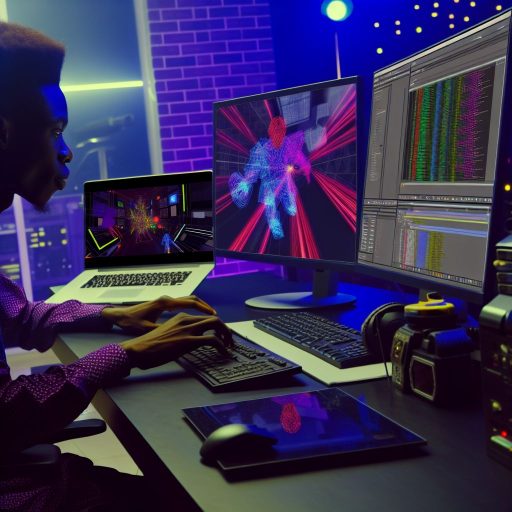
A visual effects (VFX) artist creates digital imagery to enhance film and television productions.
They combine computer-generated elements with live-action footage to produce seamless visuals.
Additionally, VFX artists collaborate with directors to realize creative visions effectively.
Their tasks include modeling, texturing, compositing, and animating digital assets.
Furthermore, they ensure that special effects fit the story and style of a project.
Importance of Visual Effects in Nigerian Media
Nigeria’s media industry increasingly relies on VFX to tell compelling stories.
Visual effects offer filmmakers tools to create scenes too expensive or dangerous to film physically.
Moreover, they enhance the quality and competitiveness of Nollywood films on the global stage.
Studios like Koga Studios and CAX Animation House have championed visual effects innovation locally.
Consequently, these advancements help Nigerian productions attract larger audiences and international distributors.
Key Skills and Technologies Used
VFX artists must be proficient with software such as Autodesk Maya, After Effects, and Nuke.
They also require strong artistic abilities, including an understanding of lighting and color theory.
Attention to detail and problem-solving skills are essential for producing realistic effects.
Communication skills are important for coordinating with directors, animators, and other team members.
Lastly, staying updated with emerging technologies helps artists maintain a competitive edge.
Career Opportunities and Work Environment
VFX artists find opportunities in film studios, television networks, and advertising agencies.
Freelance work is also common, providing flexibility to work on diverse projects.
Popular employers in Nigeria include EbonyLife Films and FilmOne Distribution, which utilize VFX extensively.
Working conditions may involve tight deadlines, but also offer creative fulfillment and skill growth.
Networking within local film festivals like the Africa International Film Festival can open additional doors.
Educational Requirements and Recommended Courses for Visual Effects
Formal Education Pathways
Pursuing a formal education creates a strong foundation in visual effects.
Many Nigerian universities and polytechnics now offer relevant programs.
Courses in computer science, animation, and graphic design are particularly useful.
Institutions like the University of Lagos and Yaba College of Technology provide practical training.
Additionally, specialized schools such as the African Film and Television Academy offer focused visual effects training.
These programs combine theory with hands-on projects to build skills.
Essential Skills Covered in Academic Programs
Students learn software tools crucial for VFX, including Adobe After Effects and Autodesk Maya.
They also study principles of 3D modeling, compositing, and motion graphics.
Understanding storytelling and cinematography augments technical knowledge.
Courses often emphasize collaboration and project management skills.
These abilities help artists work effectively within production teams.
Short Courses and Online Learning Opportunities
Short courses offer flexible learning alternatives for aspiring VFX artists.
Nigerian platforms like Berlitz and Slate Digital provide targeted workshops.
International platforms such as Coursera and Udemy host courses by industry professionals.
Online tutorials help learners master specific tools like Houdini or Nuke.
Consistent practice after courses is critical for skill mastery.
Importance of Internships and Practical Experience
Gaining real-world experience is vital to complement academic learning.
Companies like Filmhouse and EbonyLife Media often accept interns for visual effects roles.
These internships expose students to industry standards and workflows.
Working on independent projects further enhances creativity and problem-solving.
Therefore, combining education with practical experience maximizes career readiness.
Essential Software and Technical Skills to Master
Core Visual Effects Software
Mastering industry-standard software is crucial for success in visual effects.
Artists should become proficient in Adobe After Effects.
Adobe After Effects is widely used for motion graphics.
Additionally, Autodesk Maya is essential for 3D modeling and animation tasks.
Houdini offers powerful procedural effects capabilities required in complex scenes.
Nuke excels in compositing and is favored by many Nigerian production studios.
Learning Blender can offer a cost-effective alternative with robust features.
Furthermore, DaVinci Resolve provides integrated editing and color grading tools.
Technical Skills in 3D Modeling and Animation
Understanding 3D modeling fundamentals accelerates the creation of realistic effects.
Artists must grasp polygon modeling, sculpting, and texturing techniques.
Knowledge of rigging enables smooth animation of characters and objects.
Animation principles such as timing and easing improve effect believability.
Also, learning UV mapping helps in applying detailed textures properly.
Simulation skills, including fluid, cloth, and particle dynamics, expand creative possibilities.
Compositing and Post-Production Expertise
Compositing skills allow seamless integration of CGI with live footage.
Learn keying techniques to work with green screen shots effectively.
Color correction ensures visual consistency across scenes and shots.
Masking and rotoscoping help isolate elements within a frame precisely.
Moreover, understanding camera tracking aids in matching CGI movement.
Constant practice in layer management improves workflow efficiency significantly.
Programming and Scripting for Automation
Basic knowledge of scripting languages enhances creative control and efficiency.
Python is widely used for automating repetitive tasks within many VFX packages.
Familiarity with MEL scripting benefits Maya users to customize workflows.
Scripting helps create custom tools to speed up complex processes.
Artists with coding skills often gain a competitive edge in Nigeria’s media industry.
Understanding Pipeline and Collaboration Tools
Visual effects artists should understand the production pipeline thoroughly.
Using project management platforms like Shotgun helps coordinate teams effectively.
Version control systems maintain consistency across evolving visual assets.
Collaborating with editors, animators, and directors ensures better project outcomes.
Emphasizing clear communication improves teamwork in fast-paced environments.
Lastly, staying updated on emerging tools keeps artists relevant in the field.
Discover More: The Importance of Animation Designers in Nigeria’s Tech Growth
Building a Strong Portfolio and Demo Reel
Importance of a Portfolio in Visual Effects
A well-crafted portfolio showcases your skills and creativity effectively.
Employers and clients often assess portfolios before offering opportunities.
Therefore, presenting diverse projects can highlight your versatility.
Including work from Nollywood or Nigerian advertising campaigns adds local relevance.
In addition, updating your portfolio regularly keeps it fresh and appealing.
Elements of an Effective Demo Reel
Your demo reel must highlight your best and most recent work.
Keep the reel concise.
Ideally, it should last between one and two minutes.
Start with your strongest clip to capture immediate interest.
Next, arrange clips logically to demonstrate progression and variety.
Include your contact details clearly at the beginning or end of the reel.
Tools and Platforms for Creating and Sharing
Use professional software like Adobe After Effects and Blender to produce quality work.
Additionally, online platforms such as Vimeo and YouTube are perfect for hosting demo reels.
Share your portfolio on LinkedIn, ArtStation, and Behance to reach industry professionals.
Publish Your Professional Profile, Business or Brand
Showcase your expertise, gain trust, and boost visibility instantly on Professions.ng.
Publish NowConsider creating a personal website to centralize your work and contact information.
Gathering and Incorporating Feedback
Seek feedback from experienced VFX artists like Chinedu Eze and Fatima Usman.
Use constructive criticism to refine and enhance your portfolio and reel.
Participating in local VFX workshops in Lagos or Abuja can provide valuable insights.
Regularly revising your work increases your chances of impressing potential employers.
Showcasing Nigerian Industry Experience
Include projects that reflect Nigerian culture and storytelling techniques.
Collaborate with local production houses like Silverline Media or Capital City Studios.
Such experience demonstrates your ability to work within Nigeria’s creative ecosystem.
This local focus can differentiate you from international competitors.
Delve into the Subject: How to Launch a Career as a Muralist in Nigeria
Gaining Practical Experience through Internships and Entry-Level Positions
Importance of Hands-On Experience
Hands-on experience is crucial when starting a career in visual effects.
It helps you apply theoretical knowledge to real-world projects.
Moreover, practical work hones your technical and creative skills.
Therefore, securing internships or entry-level roles is a smart first step.
Finding Internship Opportunities in Nigeria
Many Nigerian media houses offer internships to aspiring visual effects artists.
Studios like Film Factory Lagos and Velocity Media often recruit interns.
Also, independent filmmakers frequently seek assistance for post-production tasks.
Check online job portals, company websites, and social media for openings.
Networking at industry events can uncover hidden internship opportunities.
Strategies to Stand Out as an Intern
Prepare a portfolio showcasing your best visual effects projects.
Even personal or academic projects demonstrate your passion and skills.
Customize your CV and cover letter to highlight relevant software knowledge.
Be proactive and eager to learn during your internship placement.
Additionally, ask for feedback regularly to improve your craft quickly.
Maximizing Learning in Entry-Level Positions
Entry-level jobs offer greater responsibility and deeper exposure to projects.
Join companies like Lagos VFX Studio or Genesis Visuals that invest in staff training.
Collaborate with senior artists to understand effective workflows.
Volunteer for extra tasks to expand your technical repertoire.
Use software such as Adobe After Effects, Nuke, and Houdini to sharpen skills.
Building a Network through Internship and Job Experiences
Internships and jobs provide opportunities to connect with industry professionals.
Maintain positive relationships with colleagues and mentors.
Attend workshops and seminars introduced by your workplace.
Engage actively on professional social media platforms like LinkedIn.
Eventually, your network can lead to freelance projects or full-time roles.
Discover More: What You Need to Know About Becoming a Branding Specialist in Nigeria
Networking with Industry Professionals and Joining Relevant Communities
Building Strong Industry Connections
Networking plays a vital role in advancing your visual effects career in Nigeria.
Start by attending local film festivals and media expos such as the Africa International Film Festival.
These events connect you directly with producers, directors, and experienced VFX artists.
Moreover, engage with professionals on social media platforms like LinkedIn and Twitter.
Follow accounts of notable Nigerian studios such as Inkblot Studios and Anthill Studios.
Similarly, reach out to artists like Emeka Okoye or Adaora Eze to learn from their experiences.
Additionally, participate actively in workshops and masterclasses hosted by industry veterans.
Such interactions enable you to build meaningful relationships and discover collaboration opportunities.
Joining Professional Communities and Organizations
Become a member of professional groups that focus on visual effects and media production.
The Visual Effects Society Nigeria (VESN) offers valuable resources and networking events.
This group fosters knowledge sharing and presents job openings tailored to local talents.
Also, join online communities like the Naija VFX Hub on Facebook or specialized WhatsApp groups.
These platforms facilitate quick feedback on your work and tips on industry trends.
Furthermore, engaging in forums like CG Nigeria allows you to connect with peers and mentors.
They often organize challenges that help sharpen your technical skills and creativity.
Participating in Collaborative Projects
Join collaborative projects to gain hands-on experience and expand your professional circle.
Volunteer for independent films or advertising projects produced by emerging media houses.
These platforms frequently seek enthusiastic visual effects artists eager to prove their skills.
Moreover, teamwork enhances your communication skills and exposes you to different creative processes.
Consequently, your portfolio grows with diverse and practical work samples.
In addition, collaborations often lead to referrals and long-term work relationships.
Therefore, proactively seek out opportunities on industry job boards and social media announcements.
See Related Content: Capturing Extraordinary Moments: George Okoro Studios in Abuja, Nigeria
Navigating Nigeria's Media Industry and Identifying Job Opportunities
Overview of Nigeria's Media Landscape
Nigeria's media industry is vibrant and rapidly evolving.
It includes film, television, advertising, and digital media sectors.
Prominent hubs like Lagos and Abuja host numerous production houses.
International and local companies invest heavily in content creation.
This creates a fertile ground for visual effects talent to thrive.
Moreover, Nollywood, the Nigerian film industry, is the third largest worldwide.
Therefore, visual effects artists can find diverse projects to showcase skills.
Key Players and Companies Hiring Visual Effects Artists
Several production and post-production companies actively seek VFX artists.
For example, Ebonylife Films consistently employs special effects professionals.
FilmOne Distribution also produces films requiring extensive visual effects.
Additionally, TerraKula Media offers opportunities in animated content.
Advertising agencies such as Insight Publicis demand VFX expertise for commercials.
Moreover, digital platforms like Ndani TV house creative teams including visual effects artists.
Exploring these companies expands chances of gaining relevant industry roles.
Strategies for Finding Job Openings
Use online job portals tailored to Nigeria's media and entertainment sector.
Platforms like Jobberman and Hot Nigerian Jobs frequently list VFX vacancies.
Networking remains crucial; attend industry events and film festivals.
Joining VFX or film-related groups on social media boosts connections.
Furthermore, build a strong portfolio showcasing work on platforms like Behance.
Directly approaching companies with tailored applications can also yield results.
Internships and freelance gigs provide valuable experience and industry contacts.
Understanding Required Skills and Qualifications
Employers typically seek proficiency in software like Adobe After Effects and Maya.
Knowledge of compositing, 3D modeling, and animation improves employability.
Some roles require formal training from recognized institutions such as AFDA Africa.
However, practical experience from personal or freelance projects is highly valuable.
Continual learning and staying updated with new VFX technologies is vital.
Strong teamwork and communication skills also enhance career prospects.
Leveraging Local Communities and Online Resources
Join Nigerian VFX forums and online communities to share knowledge.
Groups like Visual Effects Nigeria provide industry insights and support.
Publish Your Professional Profile, Business or Brand
Showcase your expertise, gain trust, and boost visibility instantly on Professions.ng.
Publish NowParticipate in workshops conducted by organizations like Creative Arts Hub Lagos.
Follow industry leaders such as Chuka Maduka and Adaobi Okeke on social media.
Their experiences offer guidance and inspiration for aspiring artists.
Additionally, online tutorials from platforms like Skillshare can supplement learning.
Building these connections eases entry and growth within the media industry.
Continuing Professional Development and Keeping Up with Industry Trends
Importance of Lifelong Learning
The media industry in Nigeria is constantly evolving.
Therefore, staying updated is crucial for visual effects artists.
Continuous learning enhances skills and keeps artists competitive.
Moreover, it opens doors to new creative opportunities.
Engaging with Industry Workshops and Seminars
Participate regularly in workshops organized by studios like Forte Studios.
These sessions cover new software and evolving techniques.
Additionally, seminars provide networking opportunities with fellow artists.
Artists such as Amina Yusuf recommend attending both local and virtual events.
Following Influential Industry Leaders and Companies
Follow professionals like Chinedu Okafor and companies such as PixelCraft Nigeria.
They share valuable insights and updates on social media.
Consequently, following them broadens understanding of current trends.
Also, subscribing to newsletters from industry bodies helps maintain awareness.
Utilizing Online Learning Platforms
Enroll in courses on platforms like SkillXpert and LagosFX Academy.
These platforms offer tutorials on the latest VFX tools.
Furthermore, they allow flexible learning suited to busy schedules.
Consistently updating knowledge through these courses enhances creativity.
Joining Professional Networks and Communities
Become a member of groups like the Nigerian Visual Effects Guild.
These communities share project openings and trend discussions.
Members gain support and collaboration chances that boost careers.
Also, active involvement deepens understanding of the local industry landscape.
Monitoring Technological Advancements
Keep track of software releases such as Maya, Houdini, and Nuke updates.
Stay informed about new hardware that improves rendering speed.
For instance, adopting VR and AR tools enhances visual storytelling.
Regularly experimenting with new technology fosters innovation.
Building a Personal Development Plan
Create a roadmap to set short- and long-term learning goals.
Review progress quarterly to adjust to changing industry demands.
Set achievable milestones, such as mastering a new software feature.
Ultimately, a clear plan directs focused and meaningful growth.
Challenges Faced by Visual Effects Artists in Nigeria and How to Overcome Them
Limited Access to Advanced Technology
Many visual effects artists in Nigeria struggle with outdated equipment.
They also face challenges using outdated software.
Consequently, they cannot produce effects comparable to international standards.
However, exploring affordable or open-source software options can help.
Partnering with tech companies like Kinetic Media Nigeria can secure better resources.
Regularly upgrading skills through online tutorials lets artists maximize available tools.
Inadequate Training and Education Opportunities
Few Nigerian institutions offer specialized visual effects training programs.
As a result, many artists rely on self-teaching or informal workshops.
Artists should consider enrolling in international online courses to improve skills.
Mentorship from experienced artists such as Adaobi Okeke provides valuable guidance.
Attending industry events hosted by studios like Lagos FX Studio enhances practical knowledge.
Limited Industry Recognition and Job Opportunities
Visual effects artists often find it difficult to gain recognition in Nigeria’s media industry.
This limitation restricts their chances of securing consistent and well-paid projects.
Building a strong online portfolio showcasing projects from studios like Zenith Visuals attracts clients.
Networking within local film and advertising circles expands career opportunities.
Proactively pitching ideas to filmmakers like Tunde Adebayo increases visibility.
Financial Constraints and Inconsistent Payment
Many artists face challenges receiving fair compensation on time.
This situation discourages talented individuals from pursuing visual effects full-time.
Artists should negotiate clear contracts specifying payment terms before projects.
Joining professional associations such as the Nigerian VFX Guild provides legal support.
Diversifying income streams by freelancing internationally increases financial stability.
Challenges Linked to Infrastructure and Power Supply
Unstable electricity supply disrupts the long hours needed for detailed visual effects work.
Artists often use costly fuel-powered generators to compensate for power outages.
Investing in battery backups and solar-powered systems offers more sustainable solutions.
Working from co-working spaces like Hive Studios provides reliable environments.
Planning workloads around stable power periods helps maintain consistent productivity.
Freelancing vs. Full-time Employment: Prospects in the Nigerian Media Scene
Exploring Full-time Employment Opportunities
Many visual effects artists prefer full-time roles in Nigeria’s media industry.
These positions often provide stable income and consistent work assignments.
Companies like Lagos Visual Effects and Abuja Media Works hire full-time artists regularly.
Such employment offers benefits including health insurance and paid leave.
Moreover, it allows artists to build long-term networks within media houses.
Artists gain access to mentorship and collaborative projects in these roles.
Due to growing Nollywood productions, demand for skilled full-time VFX artists increases steadily.
However, full-time jobs may limit creative freedom compared to freelancing.
Advantages of Freelancing in Nigeria’s VFX Sector
Alternatively, freelancing allows artists greater flexibility and control over projects.
Freelancers can collaborate with multiple companies like Rhythm FX and BlueWave Studios.
This option suits professionals who seek diverse work experiences.
Additionally, freelancing can provide higher income potentials through varied clients.
Online platforms enable Nigerian freelancers to reach international media projects.
Nonetheless, freelancers face challenges such as inconsistent work and lack of benefits.
They must also manage their own taxes, equipment, and client relations.
Still, freelancing fuels creativity and skill diversification among Nigerian VFX artists.
Aligning Career Paths with Personal Goals in the Nigerian Media Industry
Artists should assess their personal priorities before choosing freelancing or full-time jobs.
If job security and steady salary matter most, full-time roles are advisable.
Conversely, creative independence and flexible schedules favor freelancing.
Networking remains important in both careers to secure ongoing opportunities.
For example, attending media events and workshops in Lagos helps all visual effects professionals.
Some artists blend both paths, starting full-time and later transitioning to freelancing.
Ultimately, success depends on dedication, portfolio quality, and adaptability to industry trends.
Additional Resources
Special effects makeup done by me Fake blood – in Lagos, Nigeria.
Getting creative about development – Atlantic Council